Sustainability and energy efficiency are key aspects in building management, whether commercial or residential. In this context, two internationally recognised certifications for existing buildings are LEED EBOM and BREEAM ES in Use. This article provides essential information on both certifications, highlighting their similarities and differences.
In Evalore, We believe that one certification is not better than the other, but rather that each can be adapted to a specific project or owner. We also affirm that obtaining either certification drives the transformation of the building or management, making them more environmentally friendly and increasing their value simultaneously.
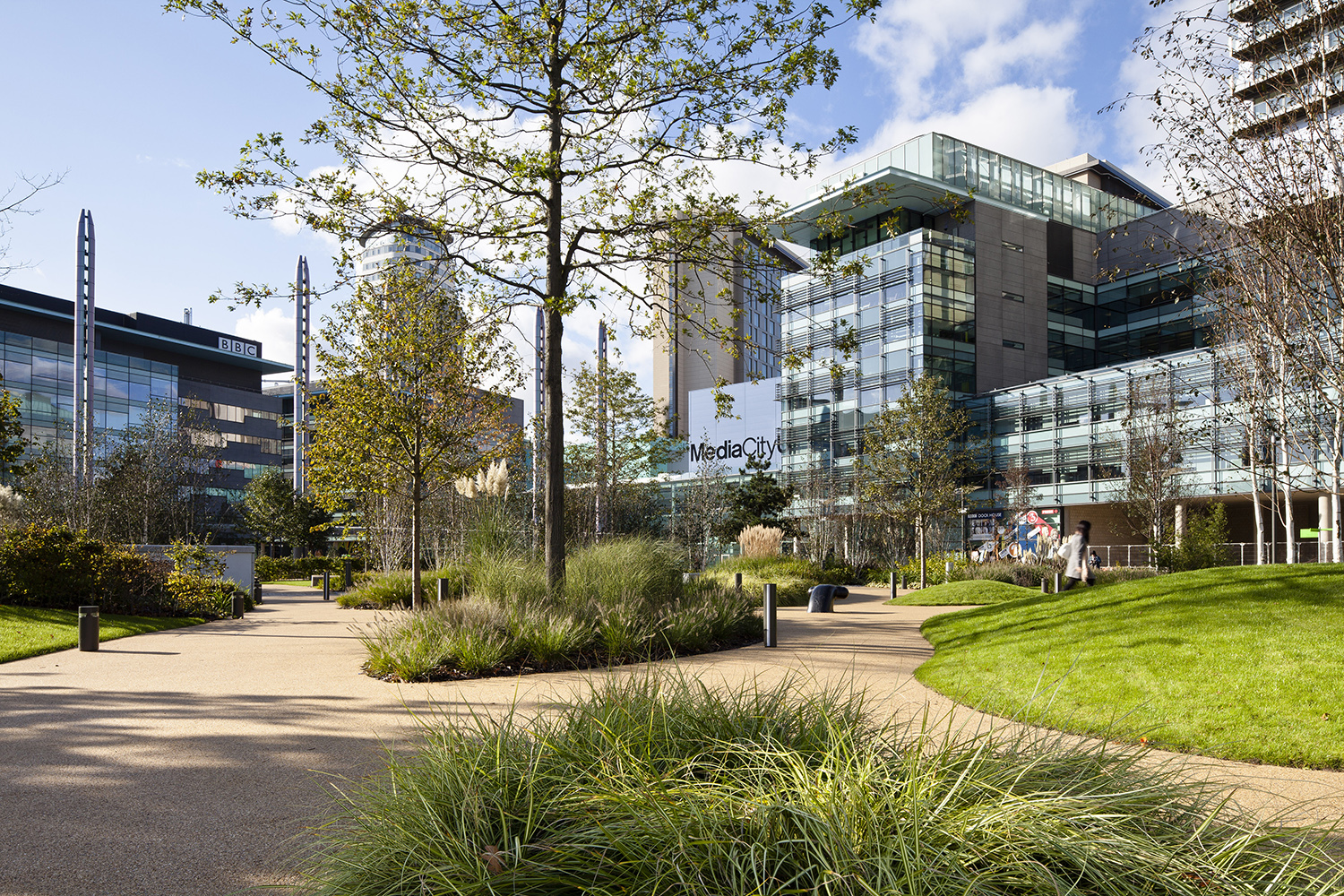
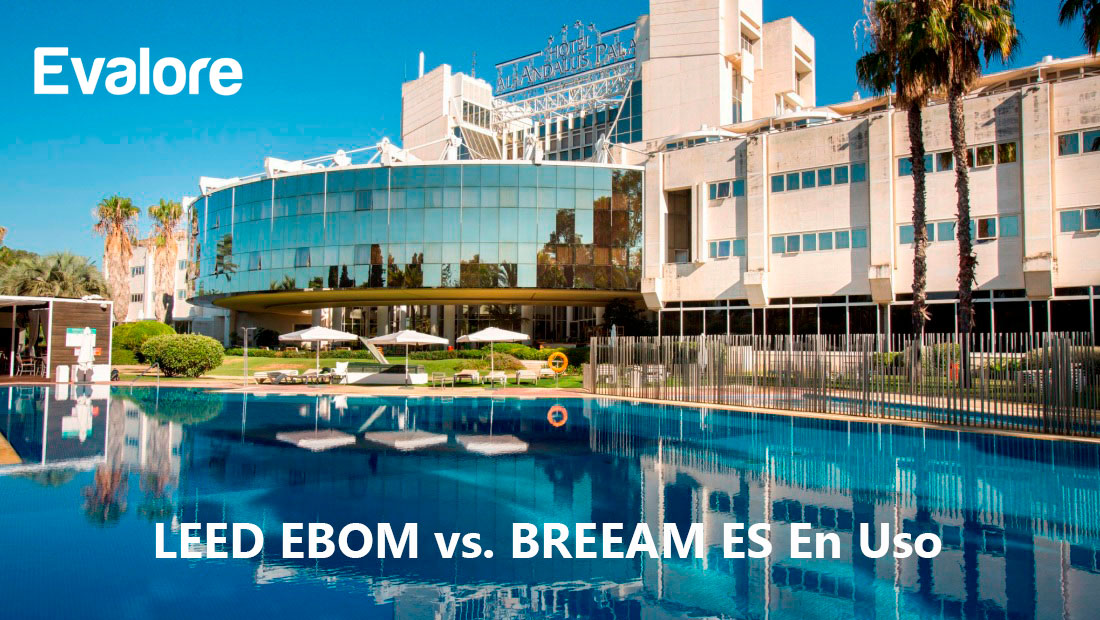
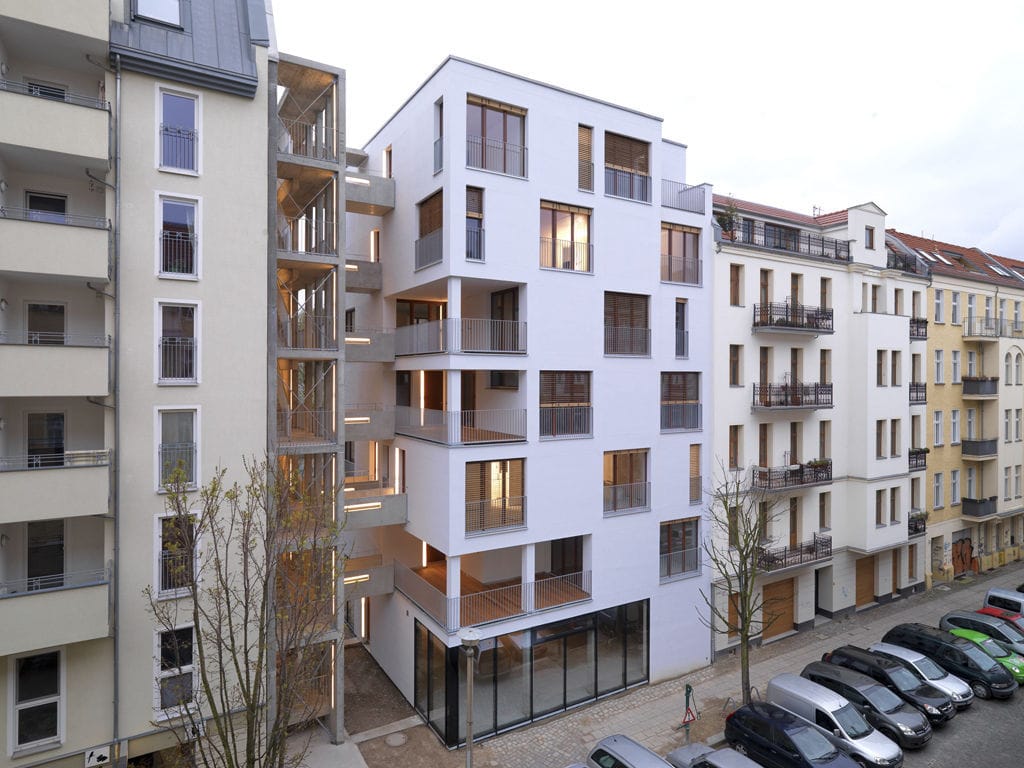
Source: Hotel Silken Al-Andalus Palace BREEAM ES In Use certified. Edited by Evalore
LEED and BREEAM Context
LEED Leadership in Energy and Environmental Design (LEED) BREEAM (Building Research Establishment Environmental Assessment Method), stand out as leading benchmarks in sustainable construction. LEED, developed by the U.S. Green Building Council, and BREEAM, originating from the UK's Building Research Establishment, are valuable tools for assessing and certifying building sustainability. These frameworks not only establish exceptional standards for energy efficiency and environmental responsibility but also promote the creation of spaces that foster health, well-being, and social responsibility.
Applicability of LEED and BREEAM according to building typology
Both are applicable to a wide range of building typologies. They are designed to be flexible and adapt to diverse categories, addressing both new and existing buildings. Below, the typologies of buildings where LEED and BREEAM are applicable are detailed:
LEED
- New Construction
- Housing
- Interior Design and Construction
- Neighbourhood Development
- Cities
- Building Operations and Maintenance EBOM
BREEAM
- New Construction
- Housing
- Urban planning
- The measure
- In use

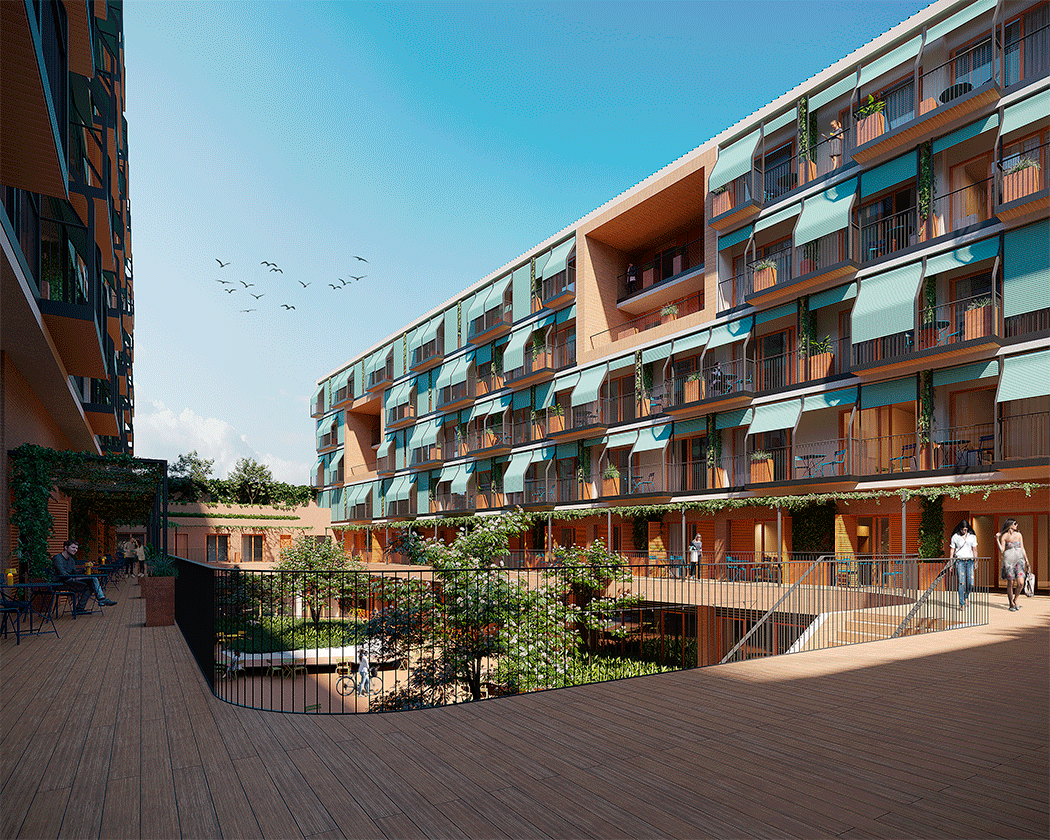
Source: Freepik edited by Evalore
Both systems share the fundamental objective of evaluating and improving the environmental performance of buildings, but they differ in their approaches and criteria.
LEED and BREEAM Areas of Operation
Both systems focus on key aspects such as energy efficiency, water management, indoor air quality, material selection, sustainable location, and innovation.
LEED
- Integration Process
- Location and transport
- Sustainable places
- Water use efficiency
- Energy and atmosphere
- Resources and materials
- Indoor environmental quality
- Innovation
- Local priority
BREEAM
- Management
- Health and Wellbeing
- Energy
- Transport
- Water
- Materials
- Waste
- Land Use and Ecology
- Pollution
- Innovation
LEED scores and levels vs BREEAM
In both LEED and BREEAM, certification is structured with a scoring system that determines the certification level as shown below:
LEED
- Certificate: 40-49 points
- Silver: 50-59 points
- Gold: 60-79 points
- Platinum: 80+ points
BREEAM
- Approved: 10-25%
- Correct: 25-40%
- Good: 40-55%
- Very Good: 55-70%
- Excellent: 70–85%
- Exceptional: 85% or higher
Although both systems share similarities in punctuation structure and levels, the specific categories and assessment criteria vary, reflecting LEED's and BREEAM's distinct priorities and approaches in promoting sustainable construction.
Through a detailed analysis, we will discover how LEED EBOM, with its rigorous requirements and focus on continuous improvement, distinguishes itself from BREEAM ES in Use, which offers flexibility and adaptability for evaluating and certifying buildings according to Spain's specific standards.
LEED EBOM Certification
The LEED EBOM (Existing Buildings: Operations and Maintenance) certification is an international standard that focuses on improving the sustainability and operational efficiency of buildings already in operation. This certification assesses and rewards sustainable practices in key areas such as energy efficiency, water management, and indoor air quality. Buildings that achieve LEED EBOM Certification demonstrate their commitment to environmental responsibility and continuous improvement in their operations and maintenance. For more details on this certification, you can consult our article Here.
Source: https://www.usgbc.org/leed
BREEAM ES In Use Certification
The BREEAM ES In Use Certification is a leading sustainability standard for evaluating and improving the environmental performance of buildings already in operation in Spain. Specifically developed for the national context, this certification addresses key aspects such as energy efficiency, water management, occupant health and well-being, and the responsible use of resources. By obtaining BREEAM ES In Use Certification, buildings demonstrate their commitment to sustainable and efficient practices, contributing positively to the built environment and standing out as benchmarks in sustainable construction in the country. For a deeper understanding of BREEAM ES In Use Certification, we invite you to read our article. Here.

Source: https://breeam.es/
These certifications could be considered equivalent, meaning a project would not need to seek both. Both BREEAM ES in Use and LEED EBOM share the objective of transforming existing buildings into more sustainable and efficient spaces.
Benefits of LEED EBOM and BREEAM ES in Use
Here are some key benefits of both:

- Operational Efficiency and Greenhouse Gas Emission Reductionboth certifications foster efficiency through monitoring, evaluation, and the setting of behavioural objectives.
- Health and Well-being they prioritise indoor environmental quality, considering aspects such as air quality,
natural lighting, temperature control, acoustic comfort and availability of outdoor spaces. - Resource Saving they seek efficiency in resource use and sustainably manage energy and water consumption, reducing operational and maintenance costs.
- Value and Differentiation they offer recognition and prestige, improving the building's image on the market.
Key differences between LEED EBOM and BREEAM ES in Use
- Certification Levels
- LEED EBOM: 4 levels (Certified, Silver, Gold and Platinum)
- BREEAM ES in Use: 6 levels (Approved, Fair, Good, Very Good, Excellent, and Outstanding)
- Minimum Requirements
- LEED EBOM: more rigorous minimum requirements, implying an additional initial challenge.
- BREEAM ES In Use: presents minimum requirements but most points are optional.
- Certification Structure:
- LEED EBOM: a unique certification, with the option of v4 or v4.1 versions, the latter stands out for its platform for measuring and monitoring performance over time, focused on continuous improvement.
- BREEAM ES in Use: divided into two independent parts to assess the building (physical characteristics, construction and installations) and management (operation, functioning and maintenance).
- Certification levels
- LEED EBOM: ideal for projects aiming to achieve high certification levels.
- BREEAM ES In Use: offers a more agile certification, but achieving high levels can be more challenging.
- Geographic Focus
- LEED EBOM: internationally applicable global version.
- BREEAM ES en Uso: specifically designed for buildings in use in Spain.
- Professional Figures
- LEED EBOM: introduces the figure of the LEED AP (Accredited Professional), optional but awarded with points in the certification.
- BREEAM ES In Use: incorporates the figure of the Assessor, an independent technician who is mandatory in the certification process, and must complete specific training (there are 220 assessors in Spain).

- Certification Fees
- LEED EBOM: fixed fee for registration, but certification fee varies by building area.
- BREEAM ES In Use: fixed fees for both registration and certification.
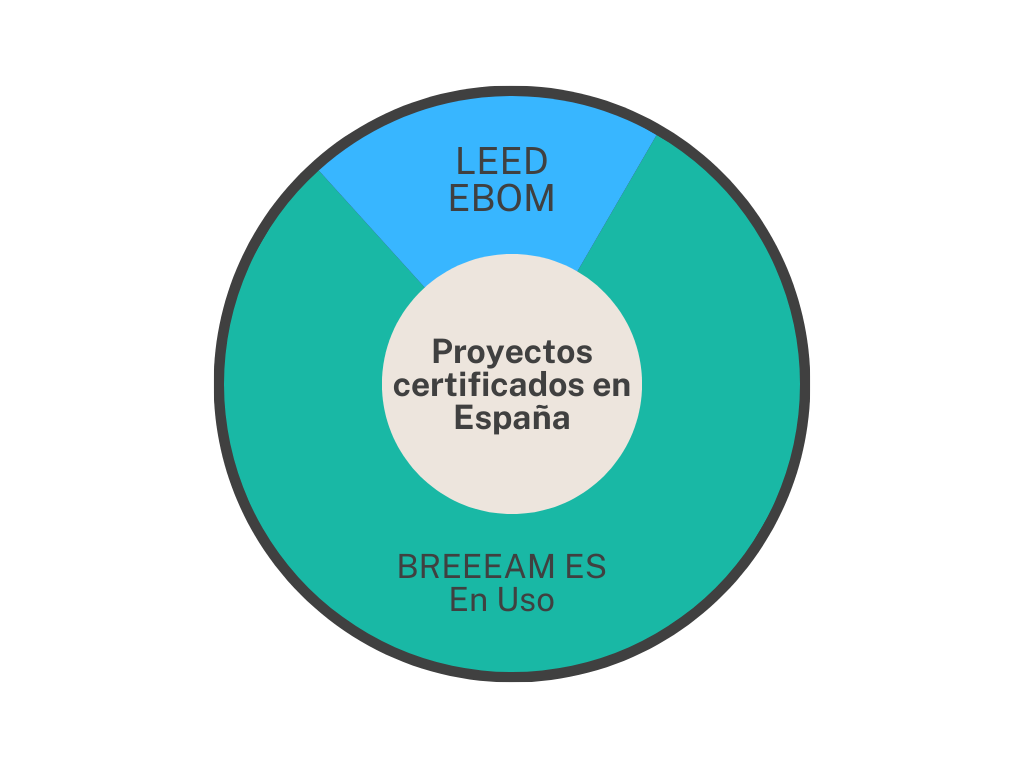
- Certified buildings in Spain:
- LEED EBOM: 202 projects certified in Spain.
- BREEAM ES in Use: 804 projects certified in Spain.
Similarities between LEED EBOM and BREEAM ES in Use
As previously mentioned, these certifications are «equivalent» and share the following similarities:
- Both certifications have minimum requirements to ensure compliance with fundamental environmental matters.
- Both LEED EBOM and BREEAM ES in Use enjoy international recognition in terms of sustainability standards.
- They take a comprehensive approach to sustainability assessment, encompassing environmental and governance aspects.
- LEED EBOM must be recertified every 5 years and BREEAM In Use every 3 years.
- They highlight the cost savings derived from optimising the building and its management as key benefits.
- They prioritise the health and well-being of the building's occupants.
Both certifications encourage continuous improvement and performance optimisation over time.
These differences and similarities offer a useful comparison to guide the choice between LEED EBOM and BREEAM ES in Use, depending on the specific objectives and characteristics of the project.
Achieving both LEED EBOM and BREEAM In Use certification represents a fundamental milestone towards building a more sustainable and resilient future. Spaces Evaluate, we are committed to guiding our clients in improving their projects and fostering their contribution to the planet's well-being. Interested in discovering how we can support you? Don't hesitate to Contact us Right now.

Camila Harguindeguy, Associated BREEAM
Civil Engineer and Sustainability Consultant, Espacios Evalore SLP