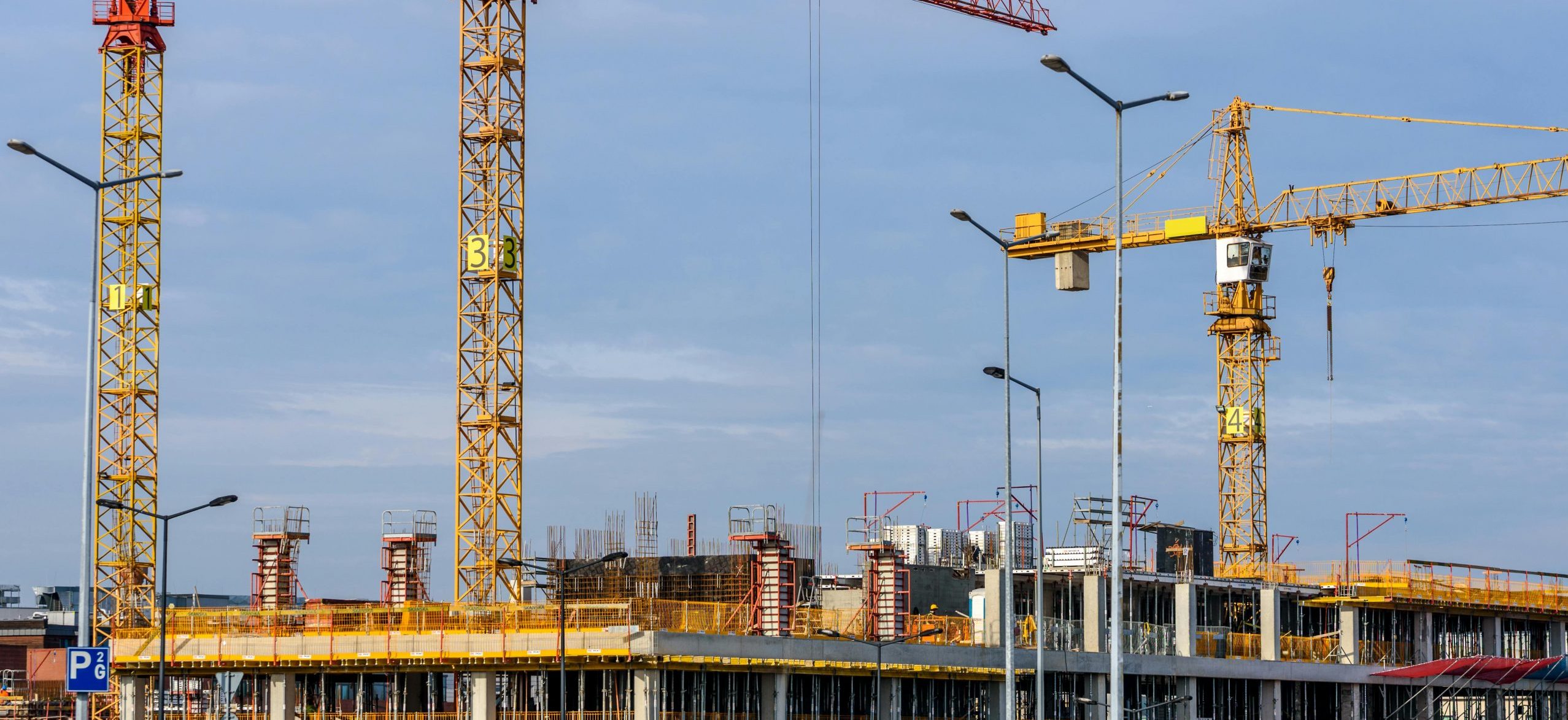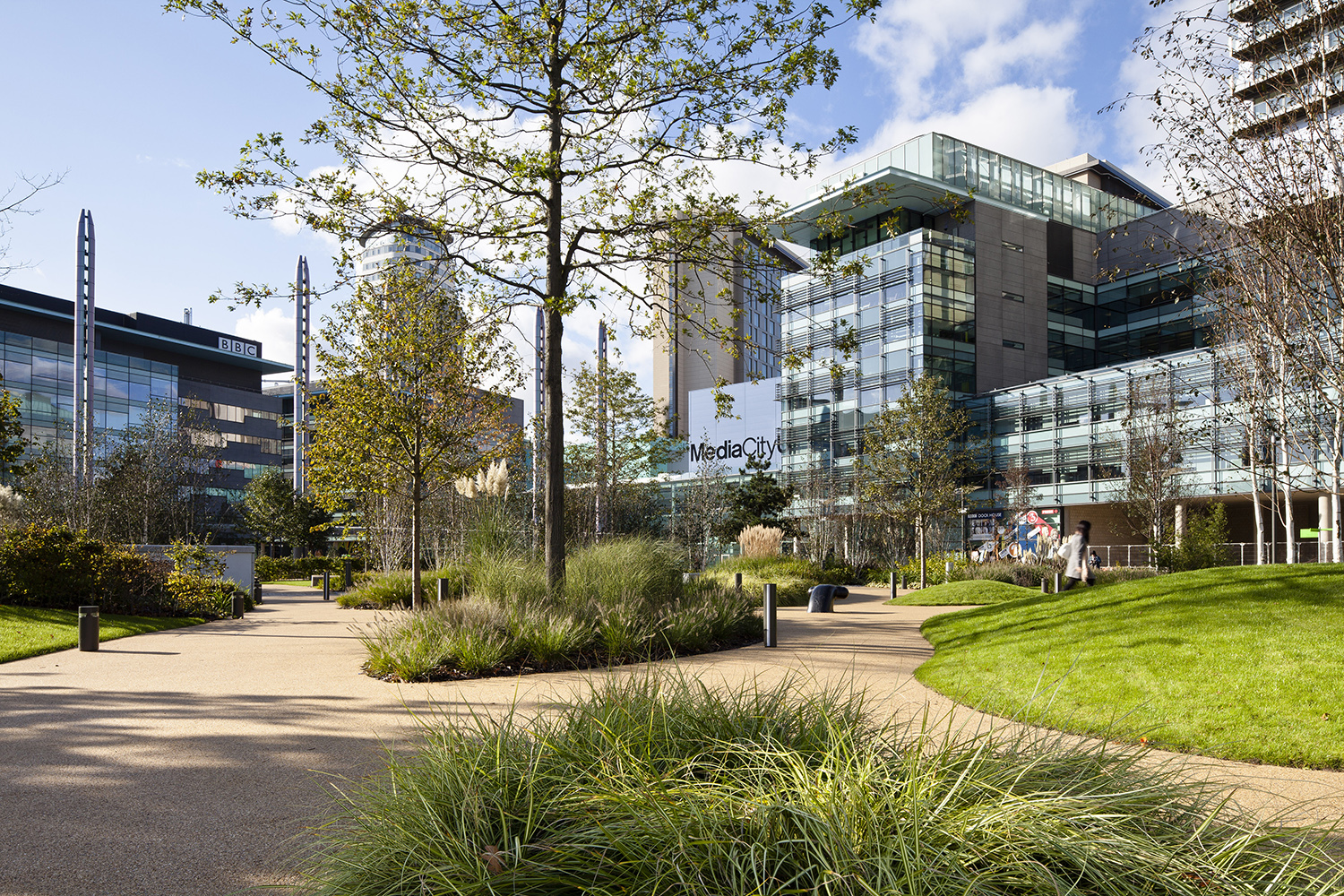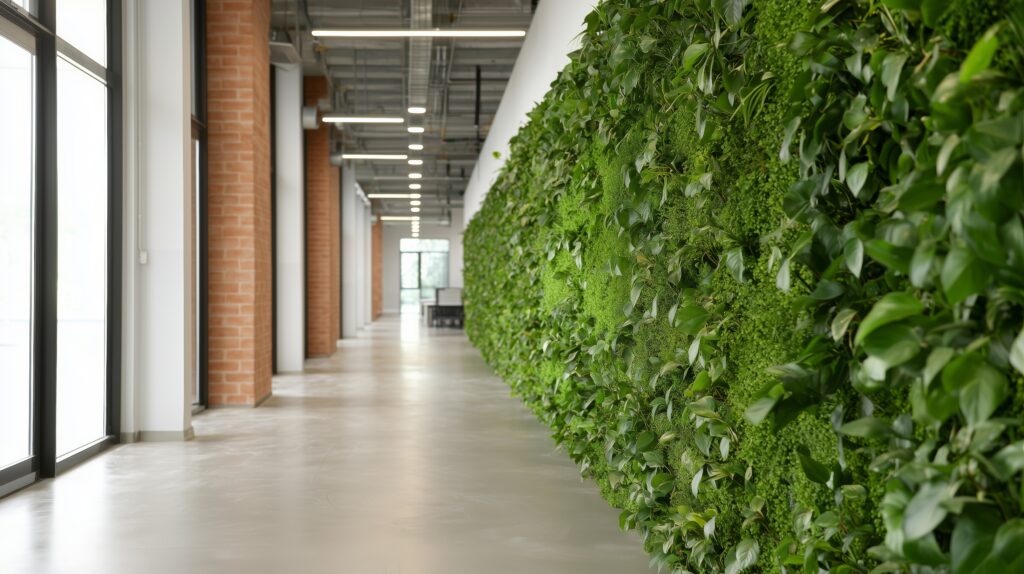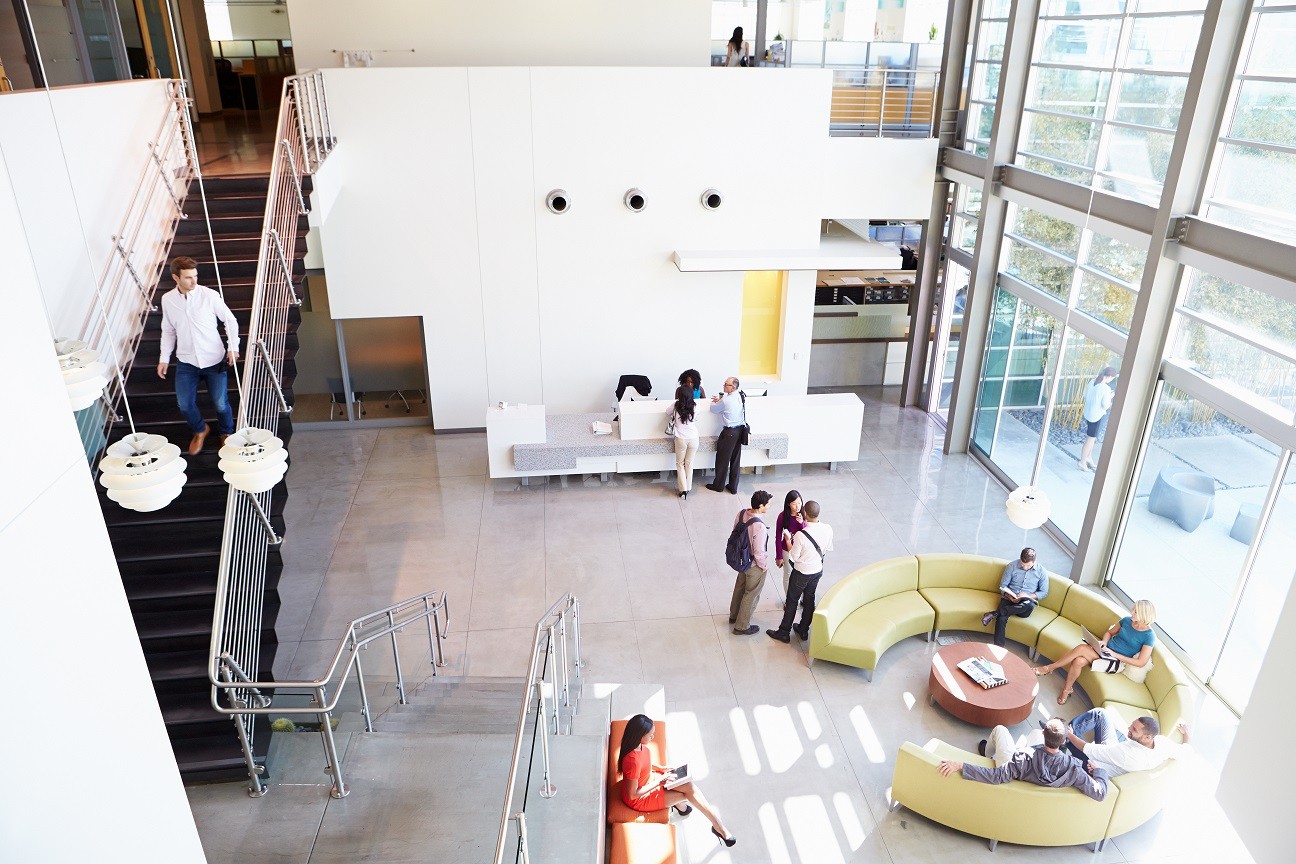
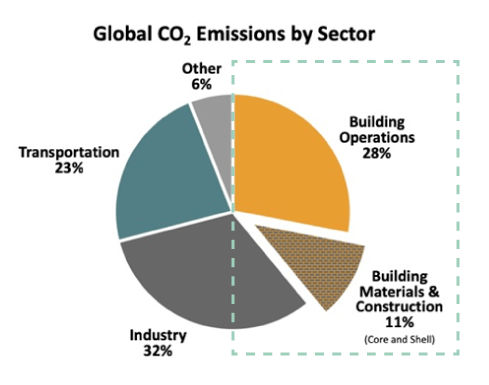
It is estimated that the building sector accounts for 36.1% of global final energy consumption and generates 39.1% of global carbon dioxide (CO₂) emissions. Of that 39%, almost a third (11% of total emissions) is attributable to the impact of materials used in construction. The remainder is attributable to energy consumption during a building’s lifetime (28% of the total).
The importance of Zero Impact Building or Construction with No Environmental Impact
Building zero or almost-zero energy consumption buildings is a reality today. Environmental sustainability certifications (LEED, BREEAM o Passivhaus), as well as the technical codes of developed countries (the DB HE section of the Technical Building Code, in the case of Spain), already include this requirement, which is gradually becoming standard practice in the construction industry. This means that the 28% emissions corresponding to the energy consumption of buildings will gradually approach zero. The key, as many are aware, lies in creating low-energy-demand buildings powered by low-consumption systems which, in turn, are fuelled by renewable energy.
While the problem of emissions corresponding to the use phase of buildings seems to be on its way to resolution, the same cannot be said for emissions corresponding to the materialisation of buildings.
While the problem of emissions arising from the use phase of buildings seems to be on the way to resolution, the same cannot be said for the emissions arising from the materialisation of buildings. To this day, the environmental impact of the lifecycle (extraction, manufacturing, transport, installation, and disposal/recycling – cradle-to-grave analysis) of the different materials and systems used in the building sector continues to be a problem not addressed by various governmental regulations.and barely touched upon tangentially by the main international environmental certifications. Only Level(s) and the European Taxonomy, more advanced in this respect, seem to address it.
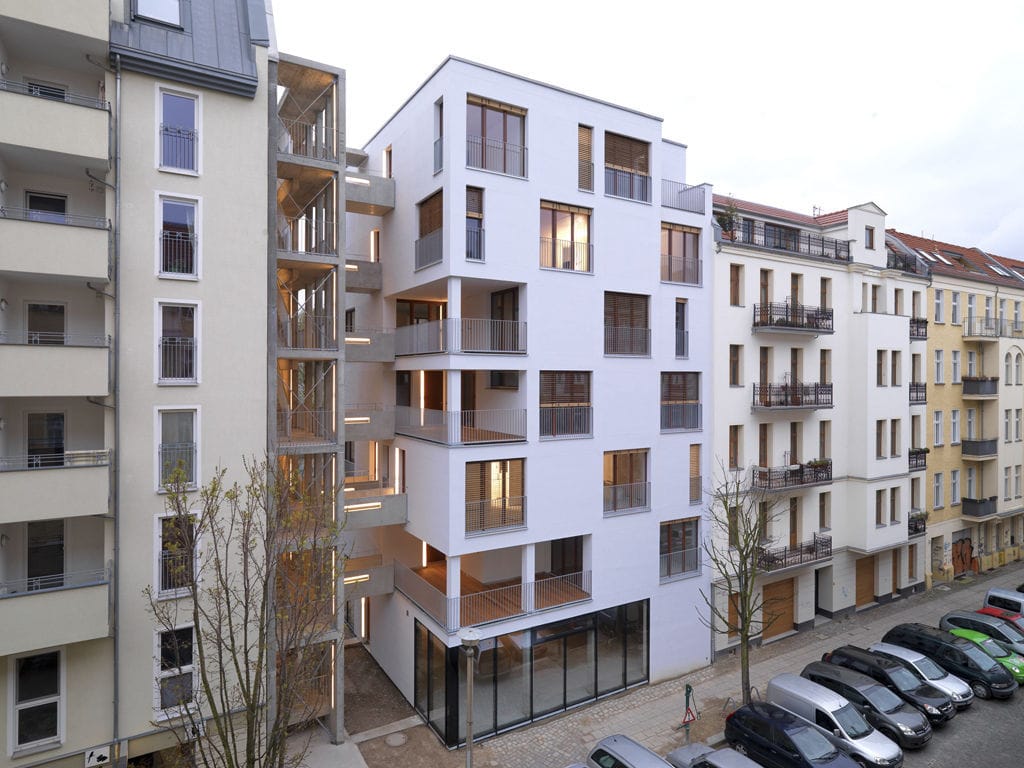
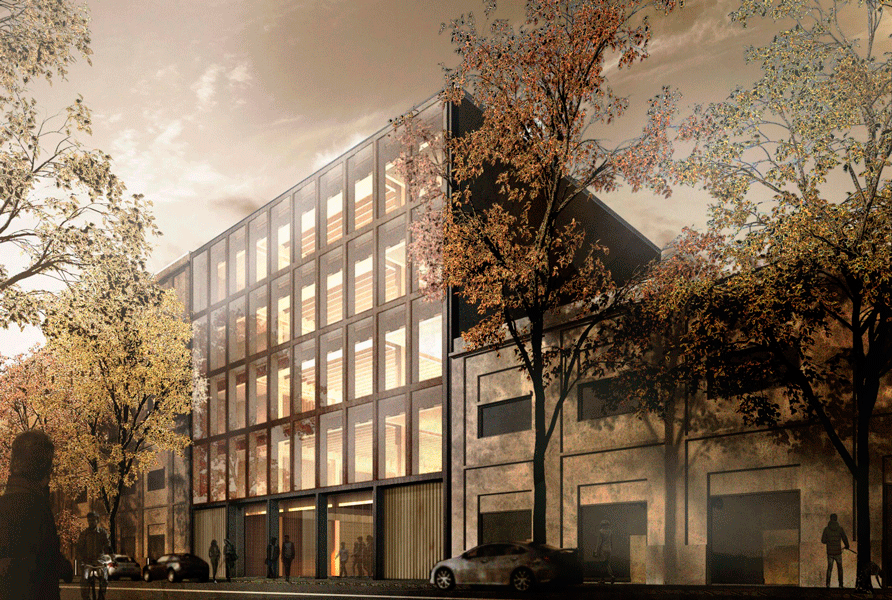
This gives rise to Zero Impact Building, an initiative developed by Evalore to create buildings with zero environmental impact over their lifespan (50 years according to the Technical Building Code – CTE).. Through the use of the building, and the surplus production of clean energy (resulting from minimal consumption and a surplus of energy production from renewable sources), the impacts generated by the materials and the construction process are mitigated until they are neutralised and achieve zero impact in 50 years.
¿How is a Zero Impact Building achieved?
The first thing to consider is that the key lies in the conception and design phase of the building. This is where Evalore comes in as a sustainability consultancy, advising developers and architecture and engineering teams to achieve environmentally optimised projects. This stage is of utmost importance as the decisions made directly impact the building's environmental footprint.
The strategies to be implemented would be the following:
Optimisation of energy consumption
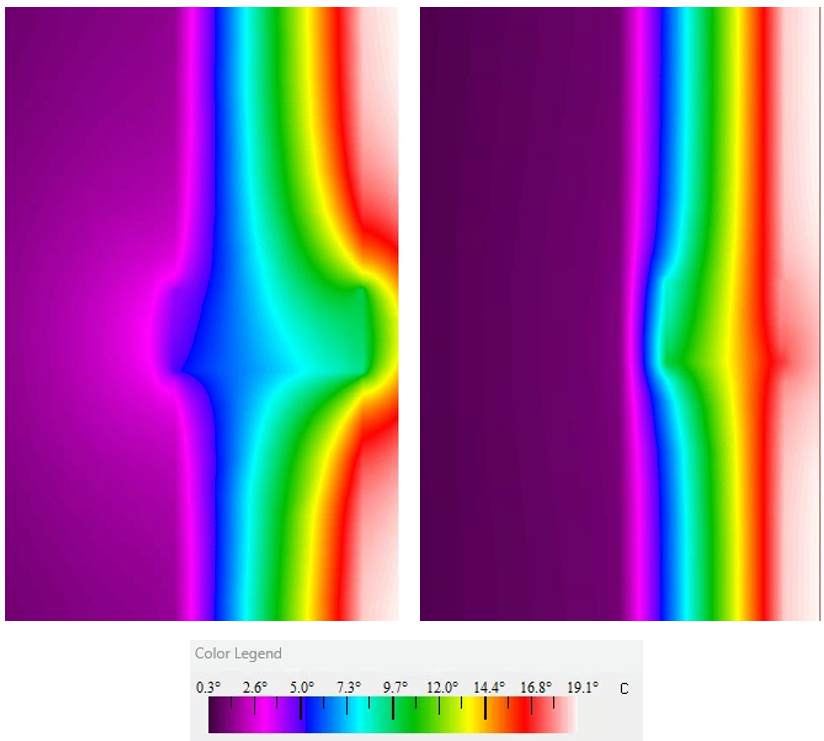
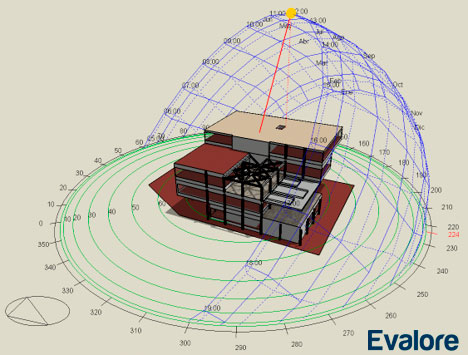
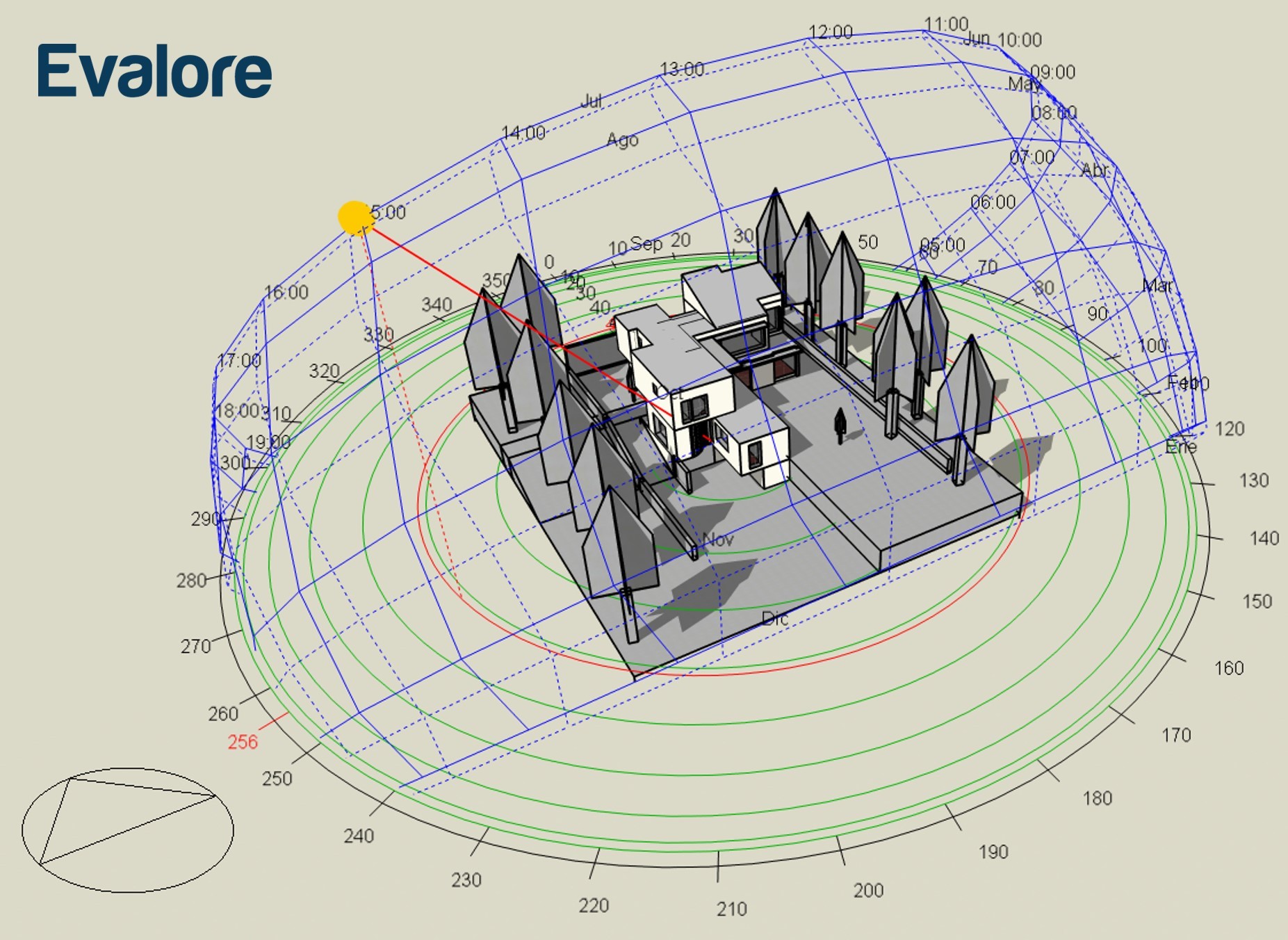
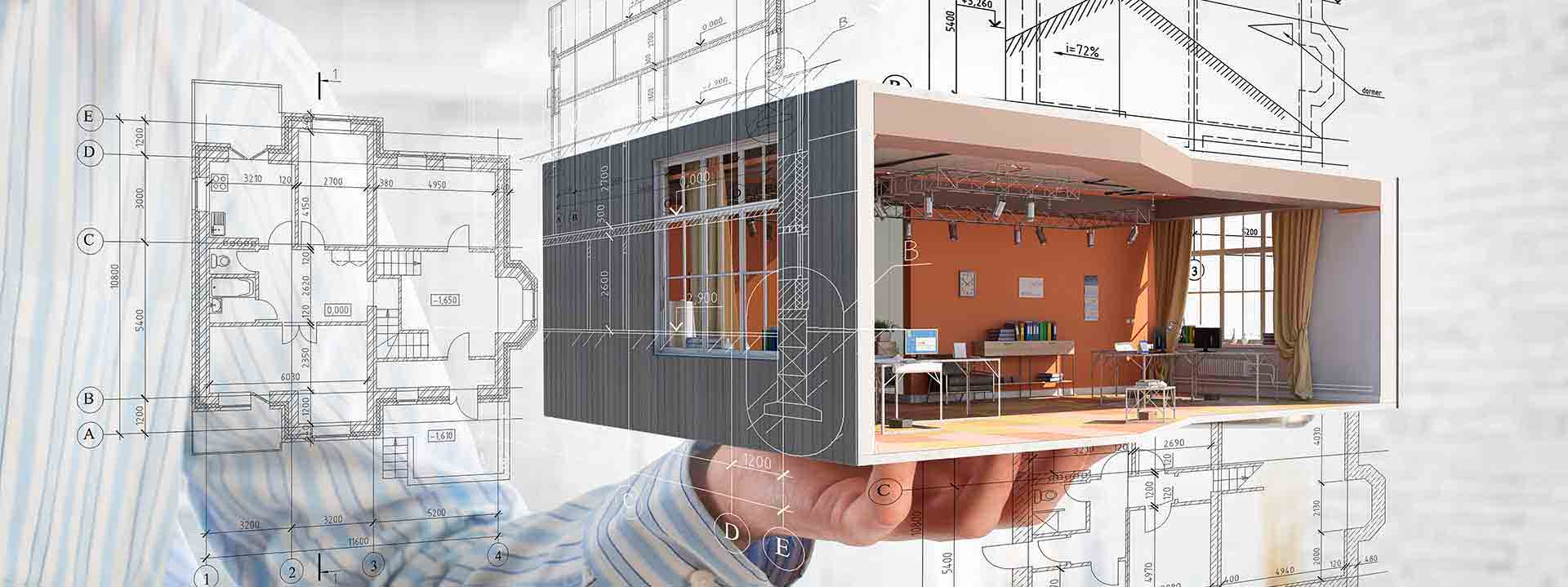
The first step in achieving a Zero Impact Building is to optimise the building's energy consumption so that a positive energy balance can be achieved. Improving the characteristics of the envelope or correctly selecting and sizing the installations are key actions. Optimisation tools such as solar radiation calculation software, parametric optimisation, or dynamic energy simulation are used for this task.
2. Calculate and minimise the building's lifecycle impact
Equally, it is important to calculate the environmental impact of the lifecycle of each material that makes up the building. The analysis will allow for the selection of those materials and systems that minimise the carbon footprint derived from the building's construction.
The end of the building's useful life, or part of it, is also taken into account. The principles are followed “design for disassembly”. This is a design intended to facilitate the recovery of systems, components and materials used in construction. The strategy is based on the recognition that every building represents a “material bank” which, upon completion of its useful life or during a renovation, can be reused or at least recycled instead of ending up in a landfill.
3. Specify a renewable energy system that exceeds consumption
Finally, an on-site renewable energy generation system will be designed that will not only exceed annual consumption but will also gradually offset the carbon emissions generated by the construction of the building. To this end, it is essential that local legislation and infrastructure allow the surplus energy to be sold to the grid or, at least, used in the immediate urban environment. Photovoltaic and wind energy are, to this day, the most suitable for this type of project.
It is important to install a management system in the building that allows controlling and optimising the performance of renewable energy installations, as well as the appropriate time to feed energy into the grid or to be used in the building's various subsystems.
How much does it cost to implement a Zero Impact Building?
A Zero Impact building does not necessarily entail significant additional costs. Initial studies suggest that additional costs amount to between 3% and 5% of the construction budget. The main additional cost stems from the installation of the renewable energy system. In some cases where the installation of renewable energy is subject to restrictions, the main strategy for reducing the building’s environmental impact may entail higher costs. Materials such as timber can become indispensable allies in these situations.
In any case, Zero Impact Building's alignment with the European Taxonomy This makes this type of project have tremendous potential for obtaining unbeatable financing conditions from financial entities. The Zero Impact Building process itself, based on KPI measurement and reporting, helps to facilitate the process of demonstrating alignment with the European Taxonomy.
This initiative is fully aligned with LEED or BREEAM certifications
What is the relationship with certifications like LEED or BREEAM?
This initiative is fully aligned with LEED or BREEAM certifications. In fact, A Zero Impact Building project will achieve the maximum score in the categories relating to energy efficiency, renewable energy, and building materialisation.. Given that these categories also tend to have the greatest impact on scoring, a Zero Impact Building will be eligible for the highest certification categories within the different environmental standards.
What is Evalore's role?
In Evalore We are pioneers in Spain in the development of environmental consultancy processes for the real estate sector. Our projects are often framed within the context of international environmental certifications such as LEED, BREEAM, WELL or Pasivhaus. The result is an optimised project, both in environmental performance and cost.

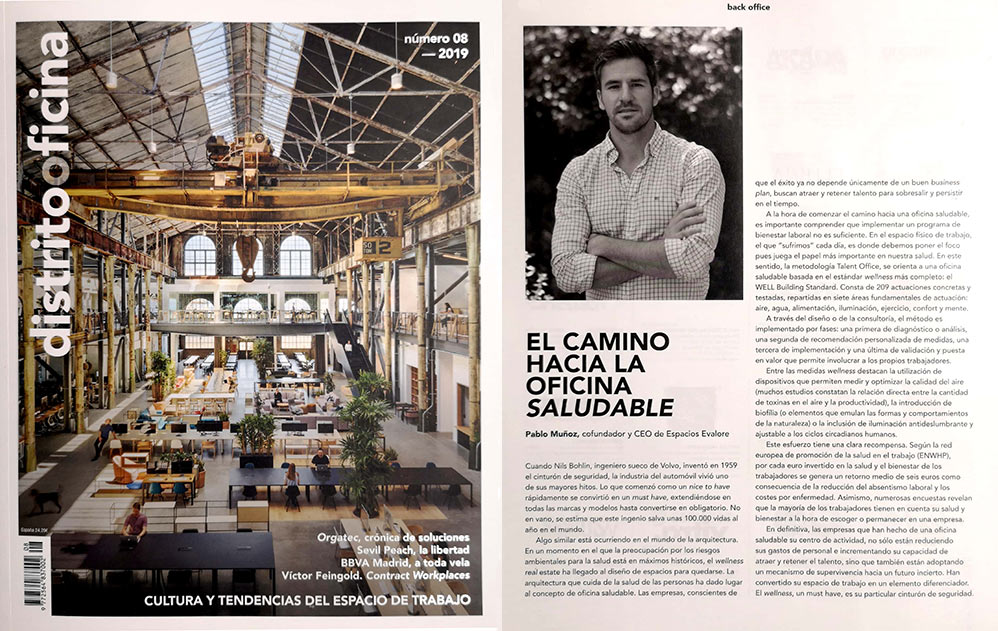
Pablo Muñoz, CPHD, LEED GA, BPI MFBA
Co-founder and CEO of Espacios Evalore SLP