What is an optimisation energy simulation?
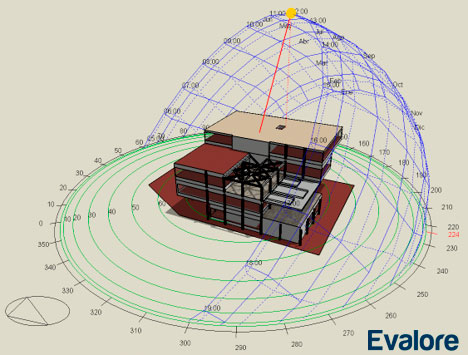
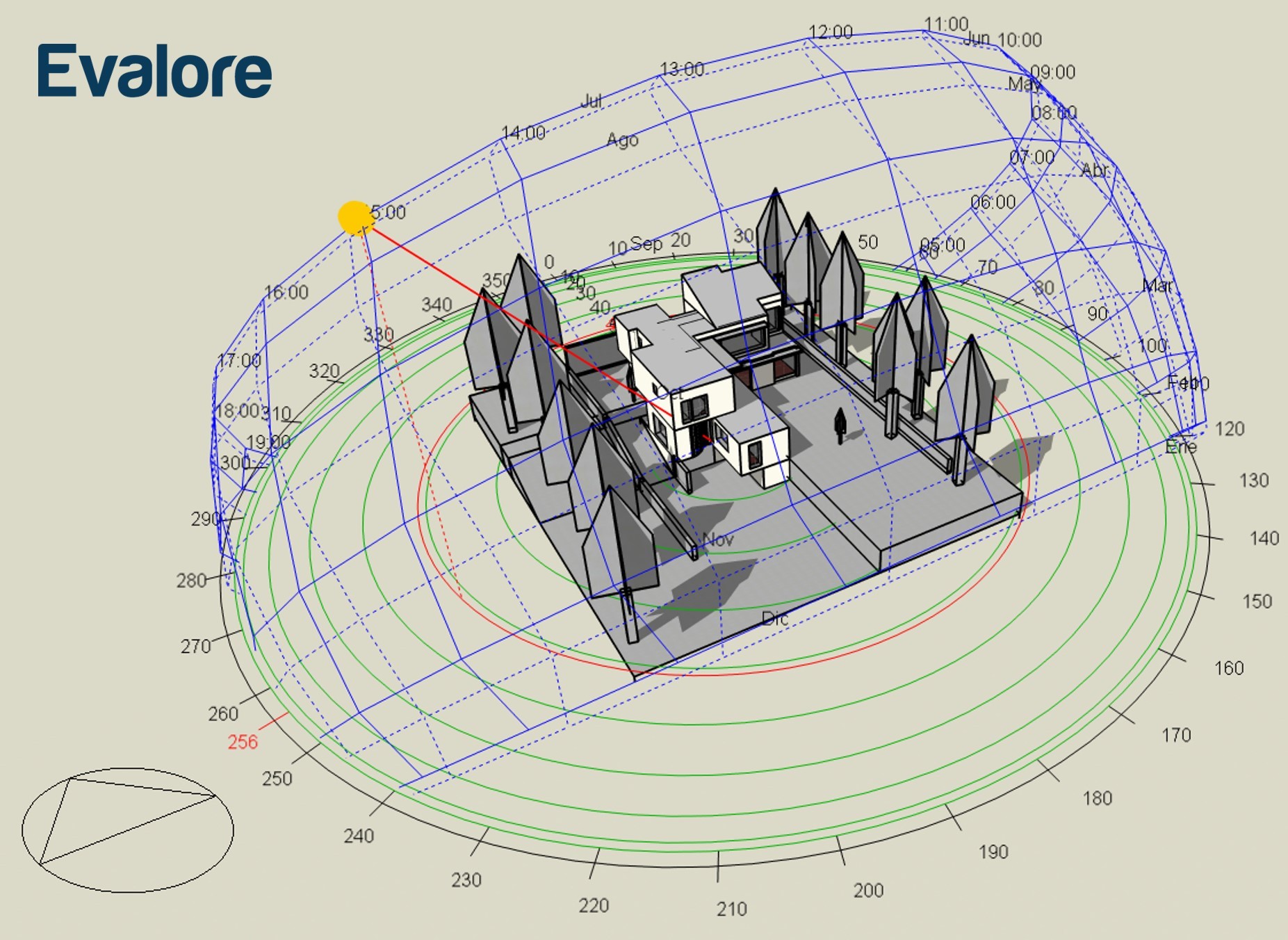
One Energy simulation it is a dynamic bioclimatic analysis that allows diagnose y optimise the project that the design team is working on and make changes that significantly affect energy behaviour.
The objective of energy simulation goes beyond regulatory verification or energy certification.
Benefits of an optimisation energy simulation
1. Potential savings in project execution investment
Allow trying different design strategies before construction, which can result in a cost reduction (in some projects of up to €500,000) by optimising the design, material selection, and thermal and renewable energy installations.
2. Emission and operating cost savings
This type of analysis allows us to determine the amount of CO2 emissions (both derived from the materials How delicious Energy consumption) which will be reduced by implementing each improvement proposal and, in this way, to be able to justify, thanks to these improvements, the alignment with the European Taxonomy.
3. Maximising comfort: lighting and thermal
The advantage of carrying out the optimisation allows us to verify that the proposals put forward provide us with good levels of Natural lighting, making it possible to visualise which spaces have deficiencies and in which others there is glare. Likewise, it can be verified how many points would be obtained with each configuration in the credits of Natural lighting.
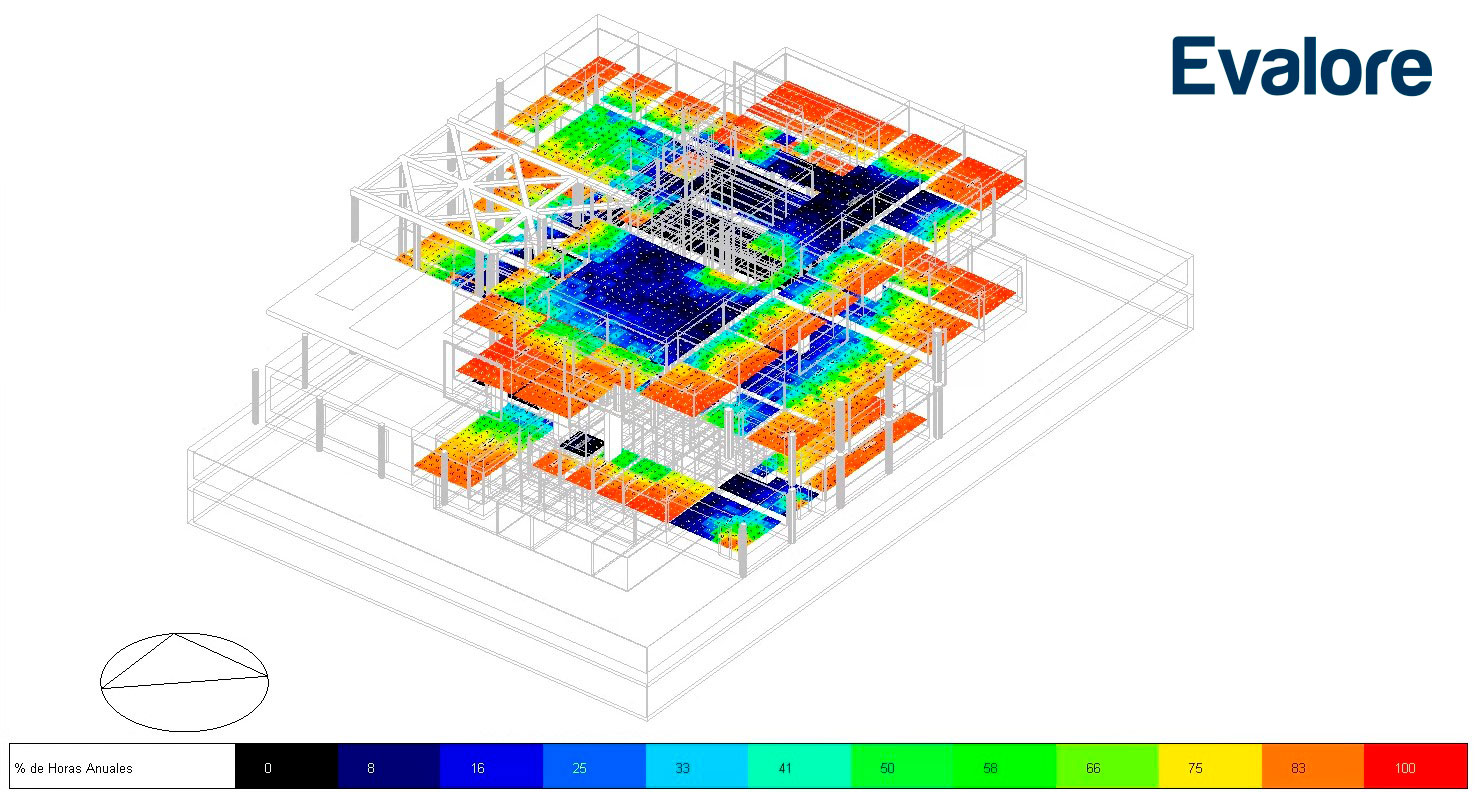
Energy simulations can reveal areas of the building that may experience problems. thermal comfort and allow the implementation of preventive solutions.
4. Alignment with environmental certifications
Optimising the energy model in the early stages of a project allows for better alignment of the project to meet credits related to prestigious international certifications such as LEED o BREEAM, promoting its sustainability.
Approaches
To carry out a Energy simulation, it is fundamental to highlight that each building can be approached from Three distinct approaches In collaboration with the design team, and to jointly determine how the building is to be used:
- Active approachThe building will be equipped with mechanical air conditioning systems to meet the building's energy demand.
- Passive approachThe building will minimise mechanical HVAC systems, and natural ventilation and solar gain strategies will be employed.
- Mixed approachThe facilities will be alternating in an optimised way with the passive approach.
Stages
Within the entire optimisation process there are different phases Depending on the project stage at the time of carrying out an energy simulation.
1. Phase 0 (preliminary phase): optimisation of orientation, compactness, % of openings, solar exposure, etc.
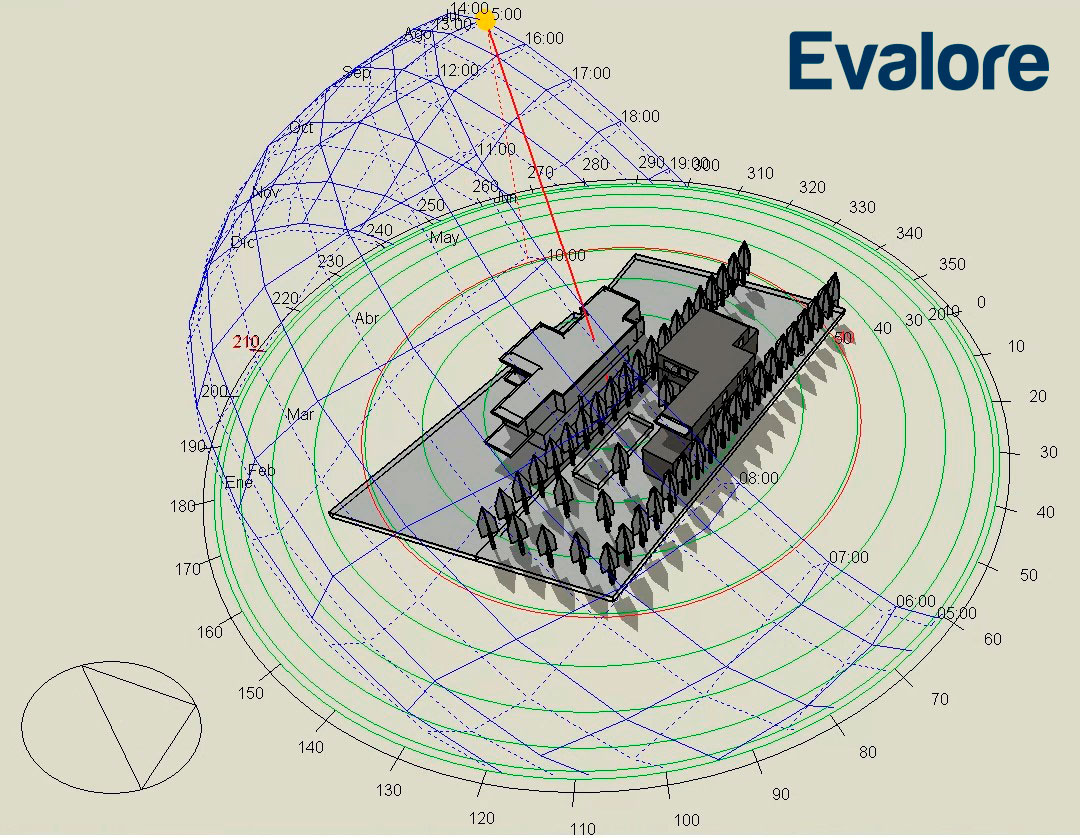
Normally, when it is decided to carry out an optimisation energy simulation, aspects such as solar orientation, compactness, amount of glazing, and solar incidence are variables that are already defined in the project. It is precisely in these initial phases that the the saving potential is greater and where it makes most sense to delve into them in detail.
Phase 1: Base project diagnosis
All data concerning geometry, materiality, internal loads, and intended use for each space will be collected in order to identify the opportunities for improvement that allow for the reduction of energy demand and improved comfort. Since every building is unique, its diagnosis is too. Therefore, it is extremely useful to carry out energy modelling in the initial stages de un proyecto, cuando todas las opciones están abiertas y es posible tomar decisiones que tendrán un impacto significativo en el rendimiento del edificio.
3. Phase 2: Economic and energy evaluation of improvements
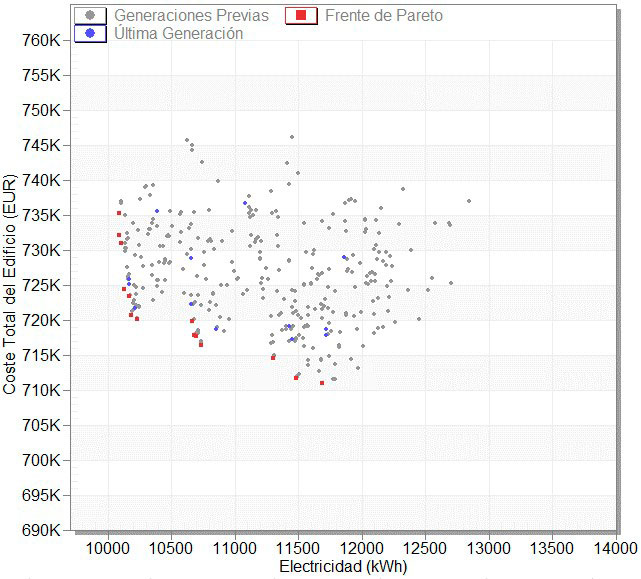
In this type of analysis, where design options are varied and the stated objectives can be contradictory, such as reducing energy consumption and construction costs, the task becomes complex.
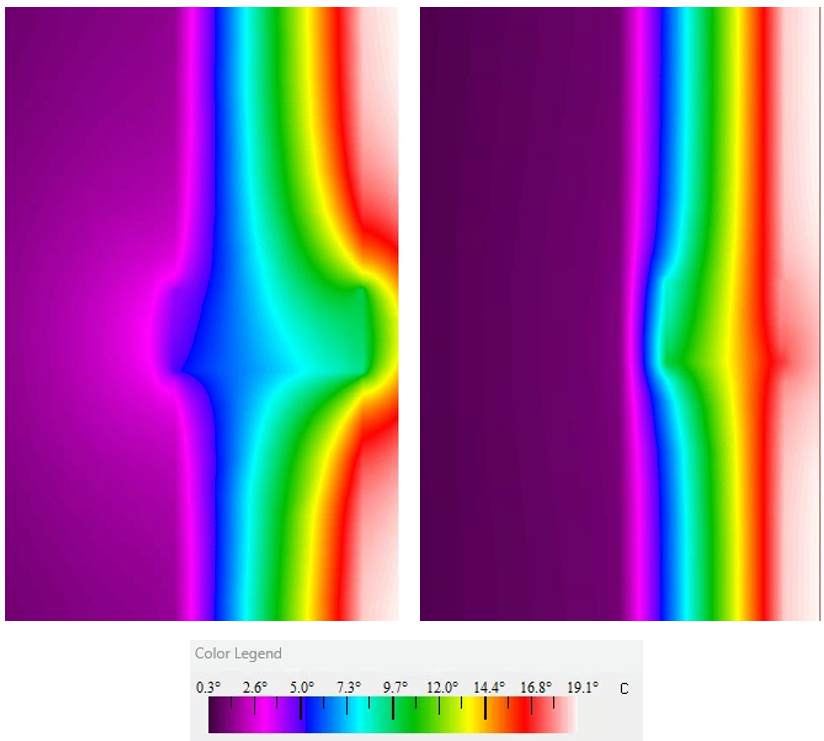
An example of the variables that can be analysed, and which significantly influence the energy behaviour The building's performance elements include opaque enclosures (thermal insulation and inertia), glazing type and proportion, solar shading, shape factor, solar orientation, and other similar aspects.
4. Phase 3: final simulation and load calculation
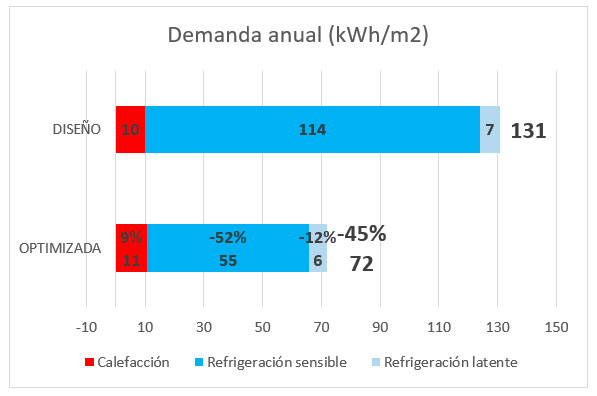
In the final phase of the study, all the proposals put forward and validated by the design team are gathered to carry out a final energy simulation to obtain the Energy consumption breakdown and the heat loads of heating and cooling systems.
Thanks to these results, the design team can know the Required power of the installations to be able to satisfy the energy needs of the building.

Francesc Borrell Forner, Consultant in Sustainability and Energy Efficiency
Espacios Evalore SLP