Environmental certifications for buildings and real estate projects
We help you define, plan and manage the most suitable environmental certification for each building or property portfolio, aligning technical requirements, ESG objectives, costs and returns so that LEED, BREEAM, WELL, DGNB, SITES or LEVEL(s) become a real advantage for your business.
Reply within 24 hours | Request a no-obligation quote | Technical and business-oriented approach
Environmental Certifications
The environmental certifications allow for the evaluation, demonstration, and improvement of the sustainable performance of buildings and real estate projects through nationally and internationally recognised standards. Systems such as LEED, BREEAM, WELL, DGNB, SITES or Level(s) They help structure sustainability strategies in aspects such as energy, water, materials, health, comfort, biodiversity, management, and indoor environmental quality.
In an increasingly demanding market, having an environmental certification isn't just a technical matter: it can enhance the asset's competitiveness, anticipate regulatory requirements, improve its appeal to investors, users, and operators, and help reduce obsolescence risks.

LEED Certification
LEED —Leadership in Energy and Environmental Design— is one of the most recognised international sustainability standards for buildings. It evaluates the environmental performance of a project through categories such as energy, water, materials, location, indoor environmental quality, innovation, and regional priorities.
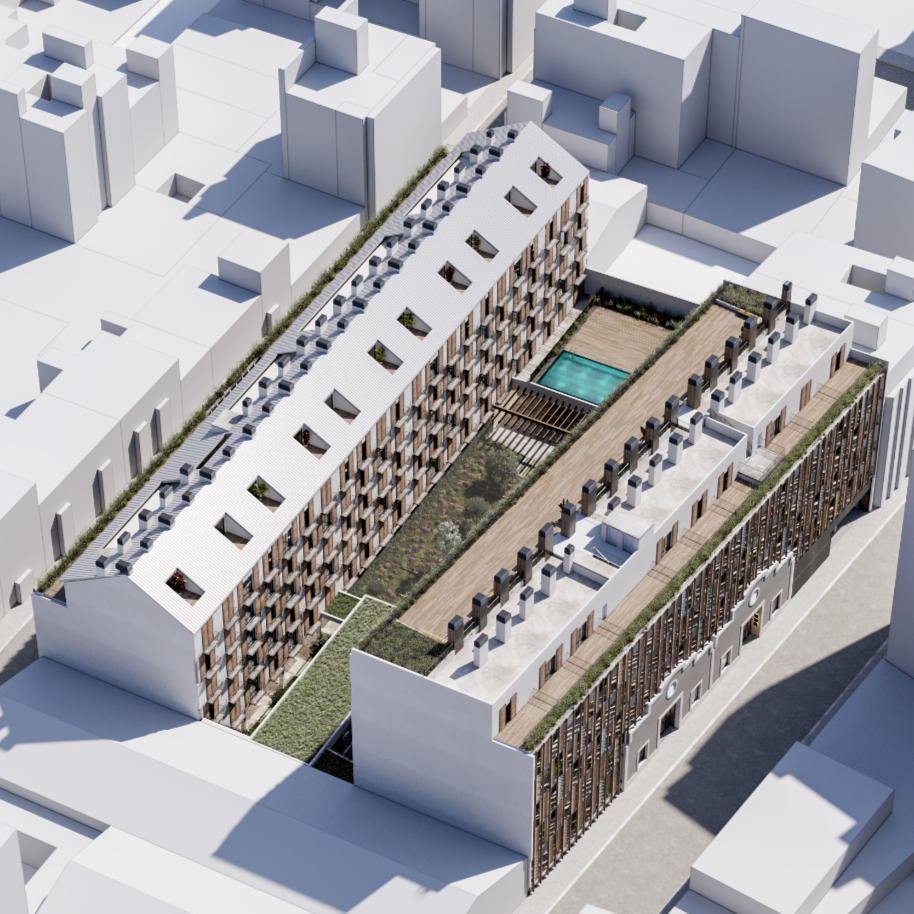
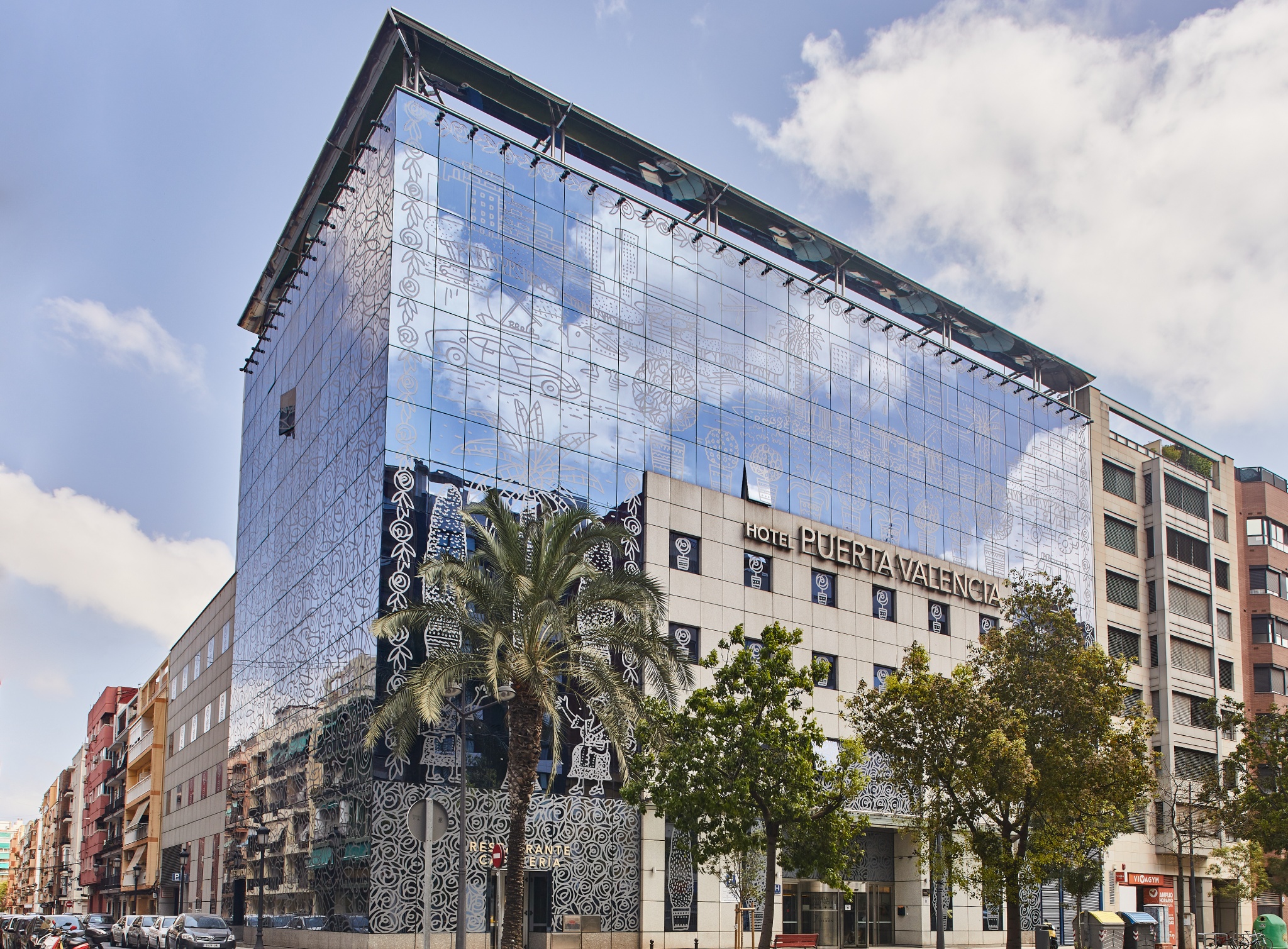
This certification allows for the ordering and justification of sustainable strategies in new construction projects, existing buildings, interiors, housing, communities and urban developments. Its approach helps to reduce consumption, improve resource efficiency and position the asset in markets where sustainability is an increasingly relevant criterion.
BREEAM Certification
Building Research Establishment Environmental Assessment Method— is an environmental assessment methodology which analyses the sustainability of buildings through criteria such as energy, health and well-being, materials, water, waste, transport, pollution, management and land use.
The system has schemes adapted to different asset typologies and situations, such as new construction, housing, or buildings in use. Its application allows for the identification of improvement opportunities, the structuring of action plans, and the enhancement of the property's environmental performance, both in the design and operation phases.
WELL Certification
WELL Building Standard It is a certification focused on the health, well-being and experience of people within buildings. Unlike other systems more oriented towards global environmental performance, WELL focuses on how the built environment influences air quality, water, lighting, thermal and acoustic comfort, materials, healthy habits and occupant well-being.
It is especially useful in offices, educational centres, hotels, homes, and spaces where indoor environmental quality and user experience are key value factors.
DGNB Certification
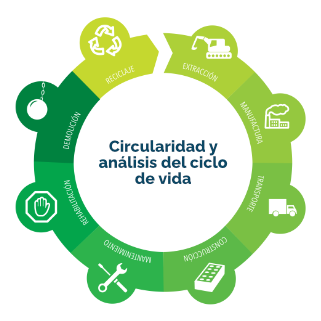
DGNB It is a sustainability certification system that evaluates buildings from a comprehensive perspective, incorporating environmental, economic, socio-cultural, technical, process, and site criteria. Its approach is based on the actual performance of the building and life cycle analysis, which allows for the assessment not only of environmental impact but also of the long-term quality and viability of the asset.
This certification is particularly interesting for projects seeking a comprehensive evaluation of sustainable performance, integrating criteria for efficiency, durability, comfort, life-cycle cost, and technical quality.
SITES Certification
SITES It is a certification focused on the design, development, and sustainable management of landscapes, outdoor spaces, and urban environments. It evaluates aspects such as water management, biodiversity, vegetation, soils, materials, climate resilience, and benefits for people's health and well-being.
Your application allows for the transformation of outdoor spaces into active environmental infrastructures that can reduce water demand, improve biodiversity, promote air quality, and increase opportunities for healthy use of the space.
European Taxonomy
The European Taxonomy It is the EU's classification system that allows it to be determined if an economic activity can be considered environmentally sustainable. In the real estate sector, it helps to assess whether a building contributes to European climate and environmental objectives without having a significant impact on others.
Applied to buildings, it organises asset information around criteria such as Energy efficiency, emissions, water usage, circularity, pollution prevention, climate adaptation and biodiversity.
This framework allows developers, investors, and financial institutions to assess a building's environmental performance using recognised criteria, reinforcing their ESG alignment and access to sustainable finance.
Why Evalore?
- We are a Specialist sustainability consulting applied to real estate.
- We have worked on offices, housing, hotels, educational centres, retail premises and industrial assets.
- We manage LEED, BREEAM, WELL, SITES and Passivhaus certifications with a technical, economic, and commercial focus.
- Our methodology has helped to achieve over €500,000 saved on investment costs in a large-scale BREEAM project.
- We increase the value of your assets through sustainability.
They already trust us.


Do you not know which certification best suits your asset?
We help you analyse your objectives, technical requirements and ESG priorities to define the most suitable environmental certification for your project wallet.
Success stories
We support national and international clients on projects where sustainability is a key consideration real value for the asset, users and investment.
Would you like to know more about environmental certifications?
Discover how certifications such as LEED, BREEAM, WELL, Passivhaus or SITES They can help improve the environmental performance, comfort, health, and value of a real estate asset. We have gathered key content to understand which certification best fits each project, what benefits it brings, and how to turn the certification process into a strategic tool for developers, owners, and design teams.
The SITES for Existing Landscapes certification offers an innovative approach to promoting sustainability in built urban spaces. Furthermore, this programme, developed as an extension of the SITES certification, evaluates...
More and more, awareness is growing about the importance of preserving our environment. Consequently, SITES certification emerges as an essential tool for promoting landscape design practices...
Discover how LEED v5 certification is leading the way in sustainable construction. This updated version of the LEED system sets new standards in energy efficiency, water management...
Are you a property owner, whether commercial or residential? If you're concerned about environmental impact as much as finding ways to make it more sustainable and energy-efficient, you are...
If you are the owner of a building, whether commercial or residential, you may be interested in how to make it more sustainable, environmentally friendly, and how to increase energy efficiency. A...
Frequently Asked Questions about Environmental Certifications
1. What certification does my building need: LEED, BREEAM, WELL, Passivhaus, or SITES?
It depends on the type of asset, project phase, location, target market, and client strategy. LEED has very high international recognition, especially outside of Europe; BREEAM is one of the most widespread certifications in the European market; WELL focuses on health and well-being; Passivhaus certifies energy efficiency and comfort; and SITES assesses the sustainability of landscapes and outdoor spaces. Evaluate helps to select the certification with the best relationship between cost, technical effort, and value generated.
2. How much does it cost to certify a building?
The cost of a certification is typically made up of three components: fees paid to the certifying body, consultancy fees, and project adaptation costs. The latter are the most sensitive, as they depend on design and construction decisions. This is why Evalore works from the early stages to optimise strategy and avoid costly measures that do not provide sufficient value.
3. How does Evalore work to minimise the costs of a certification?
Evalore carries out a prior feasibility analysis, defines a realistic credit strategy, and prioritises measures with the best cost-benefit ratio. The objective is not to certify at any cost, but to achieve the appropriate level with the lowest reasonable additional cost, avoiding duplication, late changes, and inefficient decisions.
4. At what stage is it advisable to start certification?
It is recommended to start the process in the early stages of design. This way, requirements can be naturally integrated into the project and the costs associated with later changes are reduced. When certification is incorporated late, the risk of cost overruns, loss of credits, and friction between design, engineering, and construction increases.
Do environmental certifications increase the asset's value?
It can help to increase it, especially if it is aligned with the project's commercial and financial strategy. Certification can improve the asset's perception, facilitate sustainable financing, reduce regulatory risk, strengthen ESG traceability and enhance its appeal to investors, operators, tenants or buyers.
What is the difference between an energy certificate and an environmental certificate?
An energy certificate mainly assesses the consumption and emissions associated with a building's energy use. An environmental certification analyses a much broader range of aspects: energy, water, materials, health, waste, mobility, comfort, biodiversity, management, and indoor environmental quality. For this reason, it can be more useful in an ESG strategy or for asset positioning.
7. What role does Evalore play during the certification process?
Evalore accompanies the client from the preliminary study to final certification: credit strategy, coordination with architecture and engineering, documentary review, on-site support, measurements, technical justification, and commercial enhancement. Our role is to reduce uncertainty, optimise costs, and turn certification into a useful project tool.
Other services
Discover other solutions designed to help your company to to move forward with greater security, efficiency and strategic vision at each stage of the project.
Choose the certification that adds the most value to your asset
Tell us the building type, project phase and business objectives. We will help you define the most appropriate certification strategy —LEED, BREEAM, WELL, DGNB, SITES or Level(s)— to optimise costs, reduce technical burden and reinforce asset positioning.