As mentioned in another of our articles, For over a hundred years, people have lived under the belief that the radiation produced by electrical appliances was harmless to humans and the planet. The only way to know the impact of all these influences is to conduct an environmental measurement of the space one inhabits or intends to build.
In this second part, non-ionising radiation will be discussed in greater detail, along with a series of recommendations for reducing electromagnetic radiation in inhabited spaces.
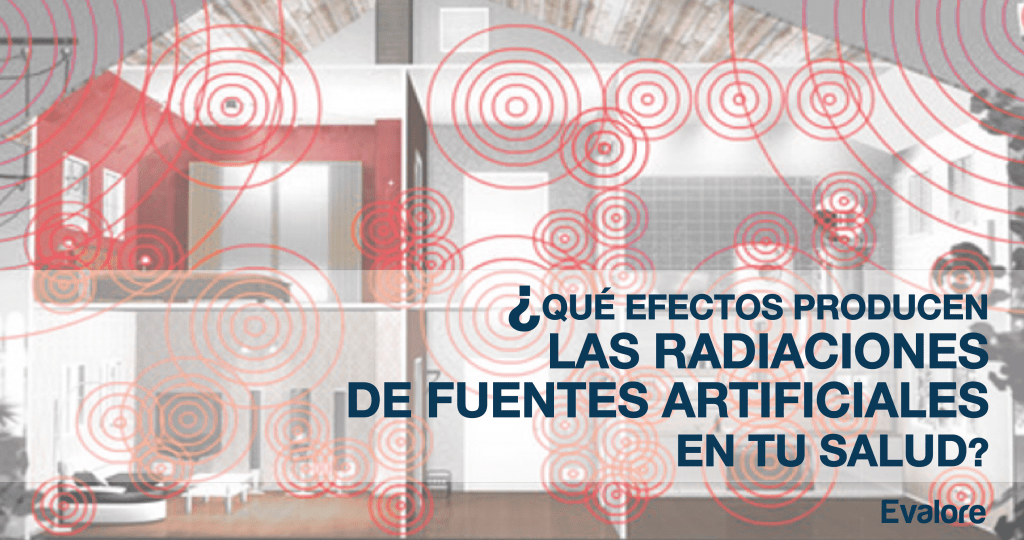
What is radiation?
Radiation It is a force of natural energy that surrounds us. Radiation is all around us: around us, inside, outside, beneath our feet, and above the world we live in. It's a part of our natural world that has been here since the birth of our planet and universe. Every living being, always, has been and continues to be exposed to radiation.
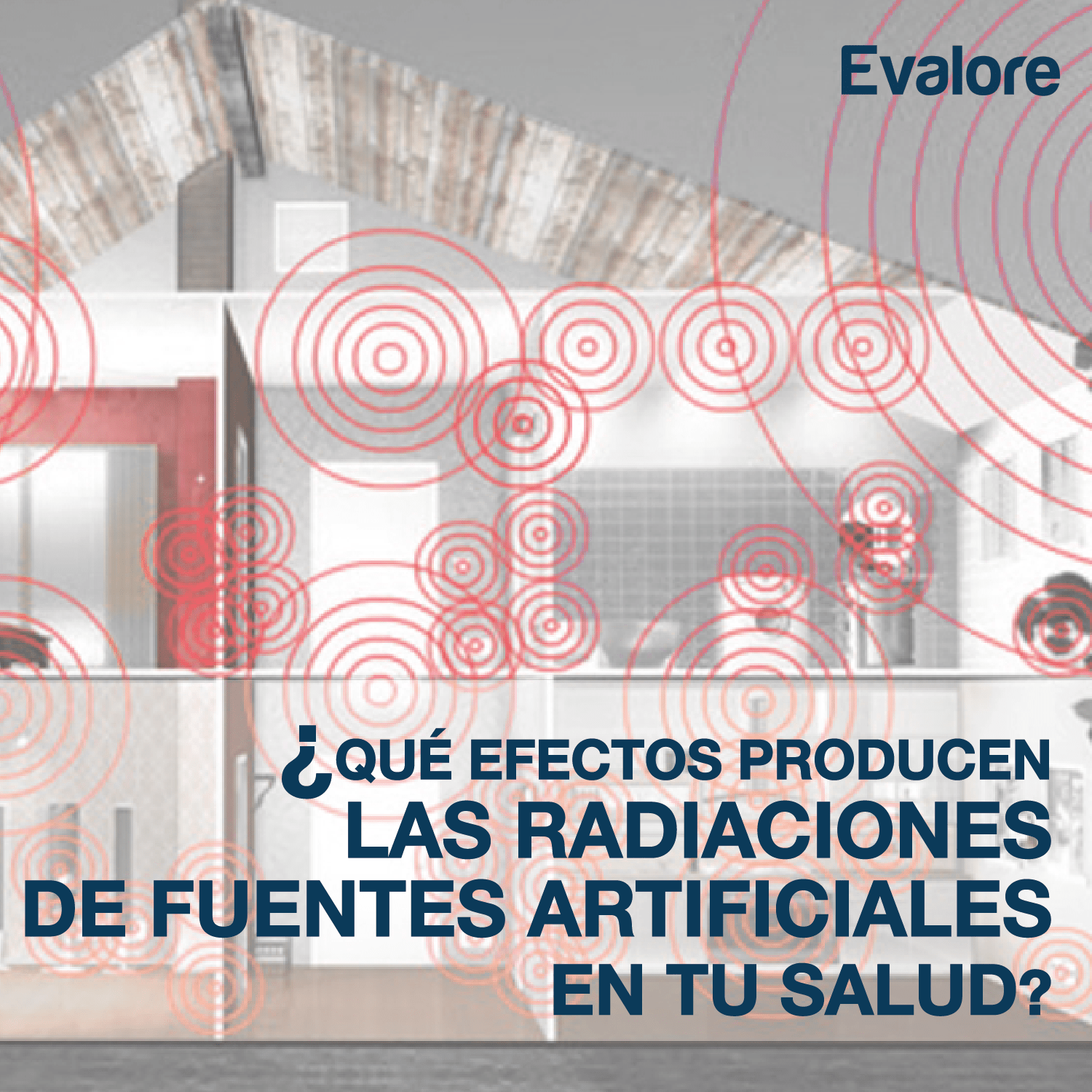
How can radiation affect from artificial sources To your health?
There are known to be ionising and non-ionising radiations. The former, and their effects, were developed in a Previous article.
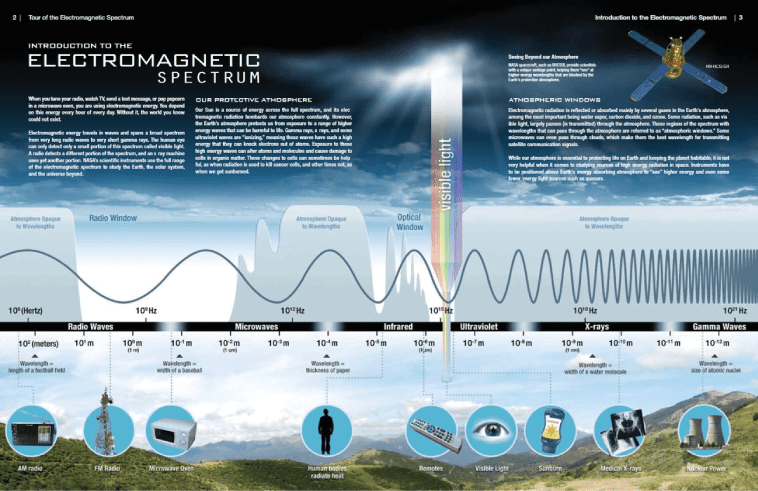
The denomination of Non-ionising radiations (NIR) applies to the portion of the electromagnetic spectrum (electromagnetic spectrum drawing: section from the left from sunlight) which possesses photon energies too weak to break atomic bonds. Even high-intensity RNIs are incapable of causing ionisation in biological systems.
The non-ionising spectrum includes: ultraviolet (UV) radiation, visible light – solar, infrared (IR) radiation, radiofrequencies (RF) and microwaves (MW), low frequency (LF) fields, and static electric and magnetic fields.
Wireless communications are known to be part of everyday life in today's society. All radiocommunication systems use electromagnetic fields (EMF) in the radiofrequency (RF) part of the electromagnetic spectrum. Because the A human being is a bioelectric and conductive being (70% water); it becomes charged with electrical voltage.
Sick Building Syndrome
Reacting to changes in the environment is a normal part of life. The effects of external exposure to EMF on the human body and cells primarily depend on the frequency, intensity, and duration of exposure. However, the body may not have adequate compensatory mechanisms to mitigate all environmental electrical changes or forces in its surroundings. Prolonged environmental exposure, Even if it's small, it can pose a health risk if it triggers stress in the body.
The organism registers all these types of radiation as micro-stress. Furthermore, it should be borne in mind that each environmental toxic substance can have synergistic effects with others, so that they arepotentiated when acting together on humans. In the face of the same toxic exposure, people may suffer different effects, with age and gender also being a risk factor.
This is why The WHO reported Sick Building Syndrome (SBS) in 1982 to define “the set of discomforts caused by poor ventilation, thermal imbalance, electromagnetic loads, suspended chemical particles and vapours circulating in the building where we live or work”.
What are the effects of chronic radiation exposure?
Chronic exposure to radiation can cause adverse health effects such as:
- Disturb homeostasis
- Preventing the repair of damaged DNA
- To provoke an immune system imbalance
- To cause endocrine disruption
- To have lower resilience to illness through different pathways
The radiation in homes keeps on growing. But industry is far ahead of research.
For example, the European Parliament in 2011 published a reference regarding the «Potential dangers of electromagnetic fields and their effects on the environment». This document discusses the potential health risks of DECT cordless phones, baby monitors, and other household appliances that continuously emit pulsed microwaves. They recommend the use of corded phones. They promote campaigns aimed at teachers, parents, and children to warn them of the specific risks of early, indiscriminate, and prolonged use of microwave-emitting devices, such as mobile phones..
What measures are being taken in Spain?
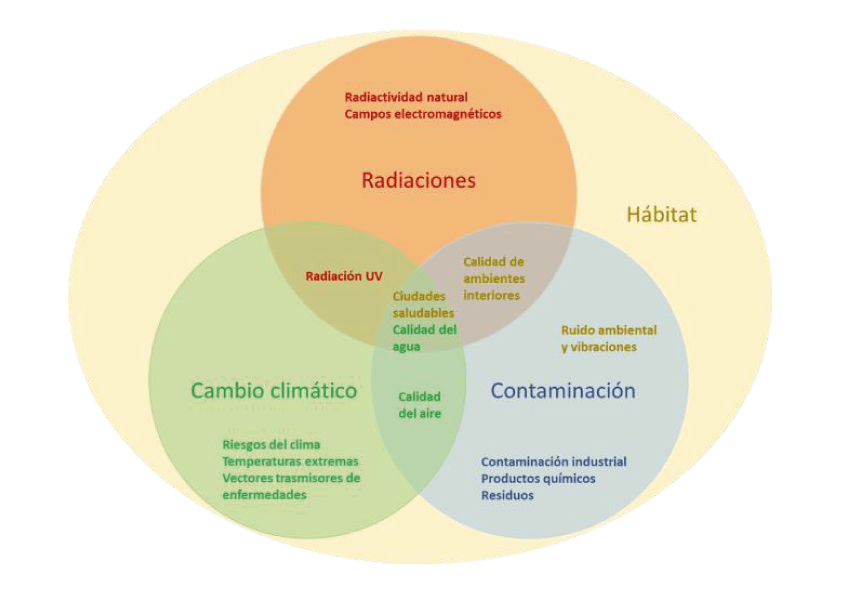
Enjoying a healthy environment is a crucial factor for better health. Addressing this issue is of vital importance. Therefore, the Government of Spain has presented the Strategic Health and Environment Plan 2022-2026. A plan that targets both citizens and professionals, with the objective of addressing health risks arising from environmental factors and their determinants.
This plan allows Spain to move forward and work in accordance with the commitments made with the international initiatives of the European Union (EU) and the World Health Organisation (WHO), thus responding to the need to provide society with an adequate management tool to face the great environmental challenges of our time, with a focus One Health.
«The proliferation of wireless networks is altering people's biology»
Dr Ceferino Maestú. Researcher at the Bioelectromagnetism Laboratory of the Centre for Biomedical Technology at the Polytechnic University of Madrid
Here are some recommendations for reducing radiation exposure within built spaces: * **Shielding:** Use dense materials such as lead, concrete, or thick brick walls to block or reduce the intensity of radiation. The thicker the material, the more effective the shielding. * **Distance:** Increase the distance between yourself and the radiation source. Radiation intensity decreases significantly with distance, following the inverse square law. * **Time:** Minimise the time spent near a radiation source. The less time you are exposed, the lower the cumulative dose. * **Ventilation:** For radon gas, ensure good ventilation. Sealing cracks and openings in the foundation and walls can help prevent radon from entering the building. If radon levels are high, a radon mitigation system may be necessary. * **Material Selection:** Choose building materials with lower natural radioactivity. While most common building materials have very low levels, some may have slightly higher concentrations of radionuclides. * **Seismic and Structural Integrity:** Ensure the structural integrity of the building, especially in areas with naturally occurring radioactive materials (NORMs) in the soil or rock. A stable structure helps maintain shielding integrity. * **Medical and Industrial Sources:** In facilities that use X-ray machines, radiotherapy equipment, or industrial radiography, ensure strict adherence to safety protocols, including the use of shielding, access restrictions, and regular equipment maintenance. * **Electrical Wiring:** While not a primary source of ionising radiation, ensure electrical wiring is properly installed and maintained to avoid electromagnetic field (EMF) concerns, although the health effects of EMF are still a subject of research. * **Radon Testing:** Regularly test indoor air for radon levels, especially in basements and ground floors, and in regions known to have higher radon concentrations. * **Building Design:** When designing new buildings in areas with potential radiation concerns, incorporate protective features from the outset, such as thicker walls or specific room layouts to isolate potential sources.
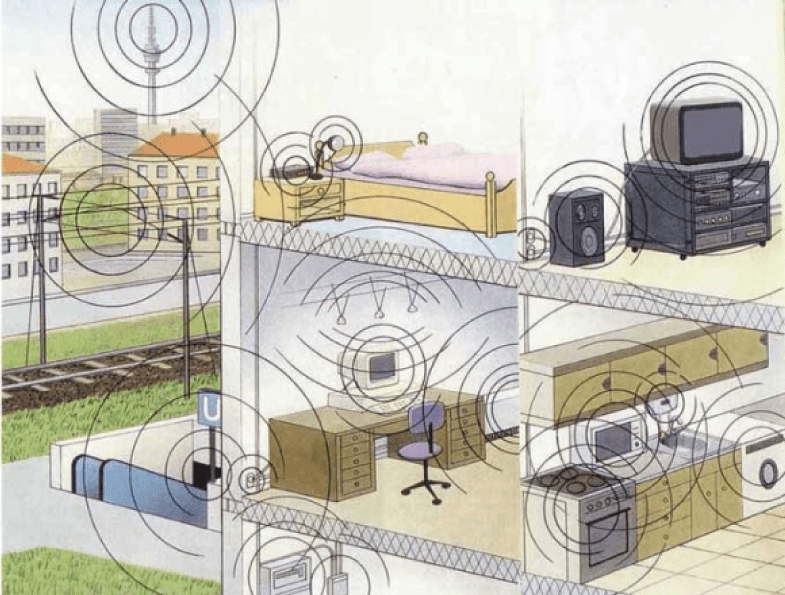
Electromagnetic pollution is also present in walls, ceilings, and open spaces. All it takes is for radio waves to be present for this contamination to be generated. Some suggestions we recommend for reducing these loads within the spaces you inhabit, especially where you carry out vital long-duration activities such as sleeping and working, are:
- Measure the natural radioactivity of the land or the location of your house and office.
- Measure the radiation from potential artificial sources in your environment.
- Ensure correct installation to the earth connection.
- Use a wired LAN internet connection.
- Turn off the Wi-Fi at night or when it's not needed to be active.
- Put devices in «airplane mode» at night.
- Unplug electrical appliances from the mains near the bed when you sleep.
- Avoid electromagnetic devices in the space surrounding your headboard (fridge, office, TV, router, etc.).
- Connect your devices with specific earthing wiring.
- Do not use electrical appliances for a long time near the body
- Limit phone calls to those that are necessary, and restrict exposure time. Use a hands-free kit and keep the phone more than 20/30cm away from your body to limit the impact of radiation.
- Only use the phone in conditions of optimal reception: do not use it in an enclosed space, such as an elevator, basement, metro station, or places with poor coverage.
- Do not use your phone while in a moving vehicle, including trains, buses, or cars, as its antenna will be constantly searching for the strongest connection, and the incoming and outgoing signal will be intensified. Additionally, metallic vehicles act as Faraday cages and radiation bounces around inside them.
- Do not place devices or your laptop on your lap
- Use a wired mouse and keyboard
- Prevent children under 15 from using mobile phones, as they are in a growth period.
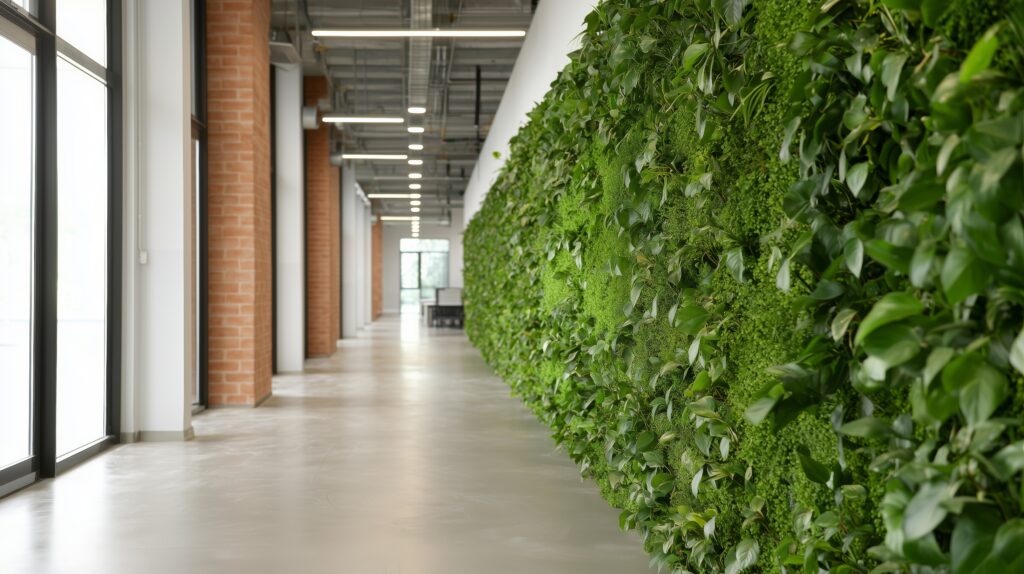
- Living in a natural environment, or surrounded by plants, helps to reduce the electrostatics in a place.
- Turn off mobile data when you have your phone nearby, on the table or in your bag. Only turn on data when it's necessary to send or receive messages. You'll still receive calls without mobile data.
- Review dirty electricity or Electrosmog In the electrical system, what do household appliances create on the electricity grid?.
- Dress in natural fibres and bio-conductor materials. Synthetic materials create more electrostatic.
- Conduct a diagnosis of your living space; home and office, to rule out potential sources of radiation and electromagnetic fields that are unfavourable to your health, your family's health, and your work team's health.
The principle is that all doses should be kept as low as reasonably practicable.. This statement is known as the ALARA principle. «as low as reasonably practicable».
I don't know we can forget that we are part of nature and that without it we cannot survive. Electromagnetic radiation positively charges our bodies, creating stress for the organism, tissue warming, and subsequent inflammation of the systems. Getting in touch with nature helps to dissipate this stress organically.
It's also important to know what balances us and keeps us healthy. To find sources of negative charges or ions, like those that nature releases; walking barefoot on the earth, whether in the mountains or on the beach, in water, with plants, trees, and so many others.
What is Evalore's role?
Our aim is, firstly, to present all this information clearly and in an organised manner, as it is difficult to access or understand how health relates to the built environment. Then, we can To propose effective strategies for designing spaces that minimise the population's and the environment's exposure to this type of electromagnetic radiation.
Before starting to plan a space, design and create an artificial or built environment, it is necessary to carry out a diagnosis. In this way, we assess the nature of the place and track any natural, artificial, or human factors that may influence or stress the living being.
In Evalore We are pioneers in Spain in the development of environmental consultancy processes for the real estate and office sector. Our projects are often framed within the context of international environmental certifications such as LEED, BREEAM, WELL, or Passivhaus. The result is an optimised project, both in environmental performance and cost.

Marta Ribas, Interior Health Space Designer and Consultant
Founder of lacasamadre.com and collaborator of Espacios Evalore SLP