What is an energy simulation?
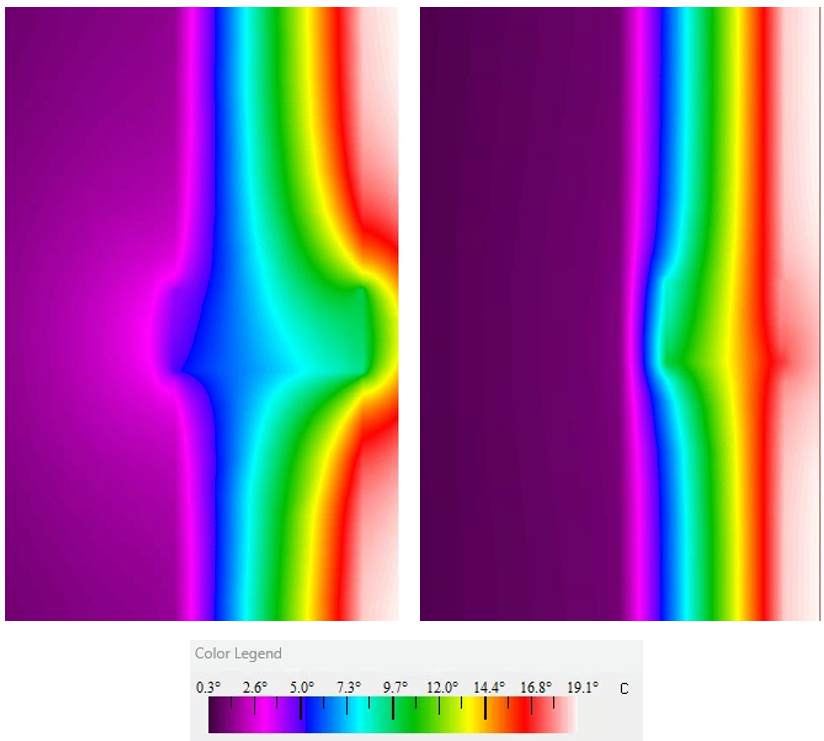
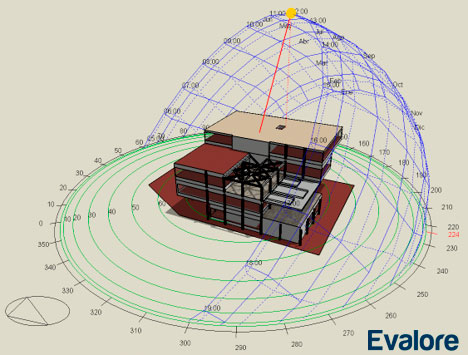
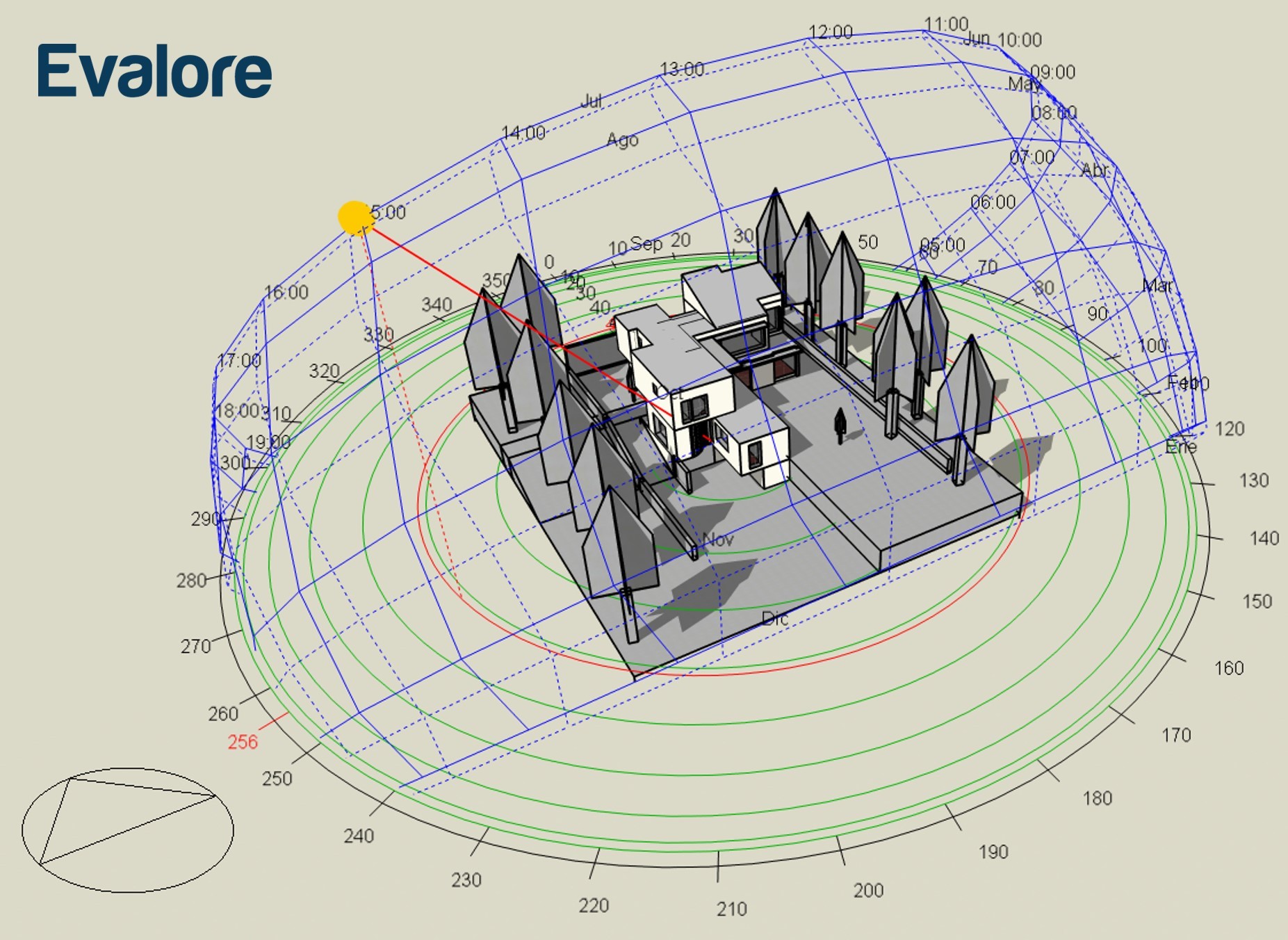
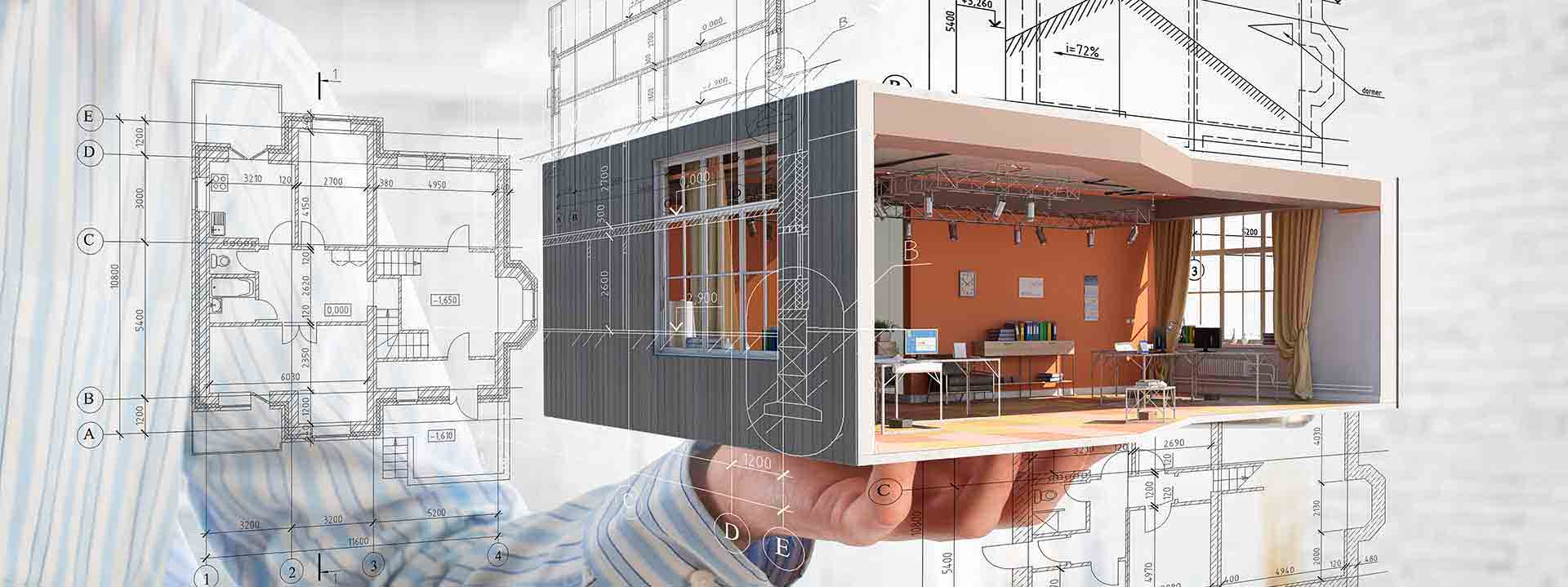
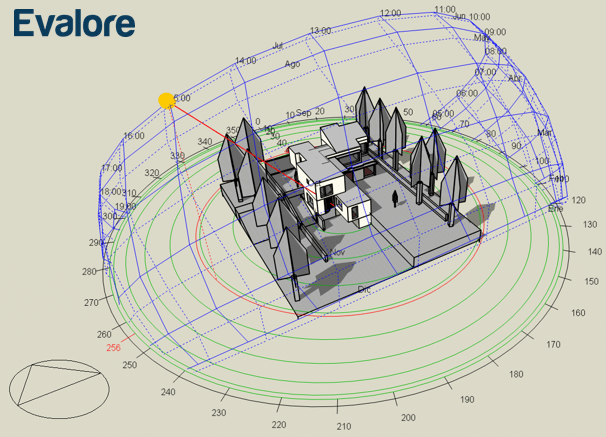
One Energy simulation it is a dynamic bioclimatic analysis that allows diagnose y optimise the project that the design team is working on and make changes that significantly affect energy behaviour.
The objective of energy simulation goes beyond regulatory verification or energy certification.
What is an energy performance certificate?
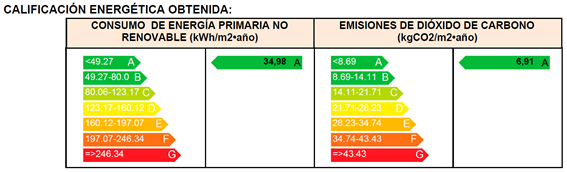
One Energy performance certificate It is a regulatory check that allows for the comparison of annual consumption and demand against regulatory values, verifying compliance with energy savings. DBHE of the CTE and issue a Energy Performance Certificate, but it does not allow us to comprehensively identify what we should do to improve its energy performance.
The aim of an energy analysis cannot be to compare pre-set indicators with limit values, but to be able to undertake an exercise technical and economic of the different elements that make up the building and choose those that are the most optimal along the shelf life of the building.
In summary, an energy performance certificate IT IS NOT A VALID TOOL for project decision-making because it uses too basic a methodology.
An energy performance certificate IT IS NOT A VALID TOOL for project decision-making because it uses a methodology that is too basic, the ideal tool is a dynamic energy simulation.
What are the benefits of an energy simulation?
- Identify by which parts of the environment The building has higher energy losses.
- Find the best volumetry y solar orientation according to the project's bioclimatic characteristics and conditions
- Optimise Compositions y thicknesses of the building envelope enclosures
- Optimising thermal properties of windows for solar orientation
- Mejorar el thermal comfort from the user
- To pick the best ones Sunscreen according to solar orientation and incidence
- Evitar sobredimensionar los Air conditioning systems Calculating thermal loads
- Choose strategies for natural ventilation to cool
- Measure and optimise Project consumptions
- can be used to apply for international certifications How LEED
- Accessing aid such as Next Generation Funds o Pree
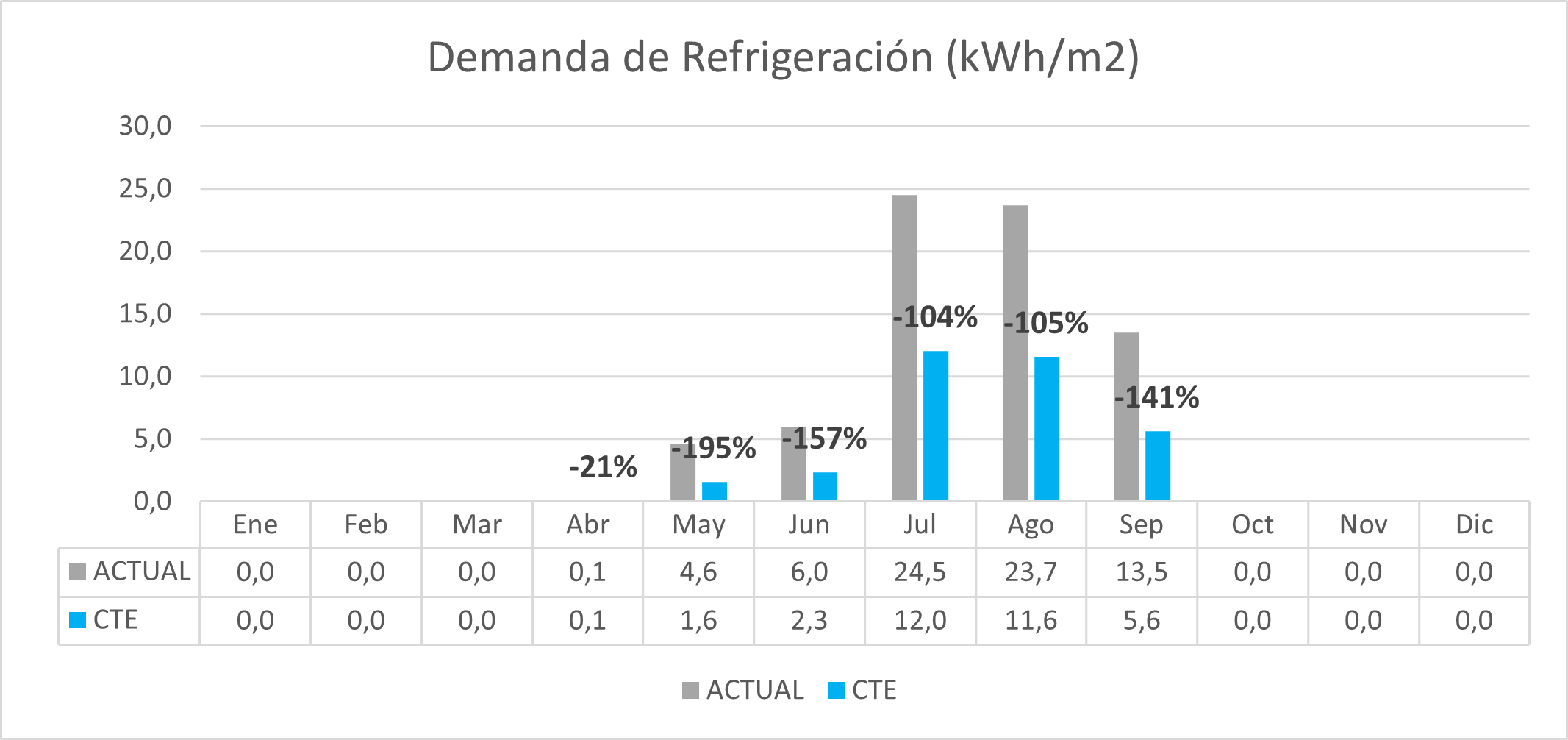
The best time to do an energy simulation is during the design stage, before construction begins. This allows for informed decisions to be made about building materials, orientation, and system specifications, which can significantly impact energy performance.
The sooner the better. To carry out energy modelling in a early stage of the project (preliminary draft or basic design) allows for the achievement of a energy saving up to 451 TP3T on average compared with a reference building.
Thanks to energy simulation, the design team can decide which systems will be the most efficient, depending on the climatic conditions, the type of building to be designed, and its use.
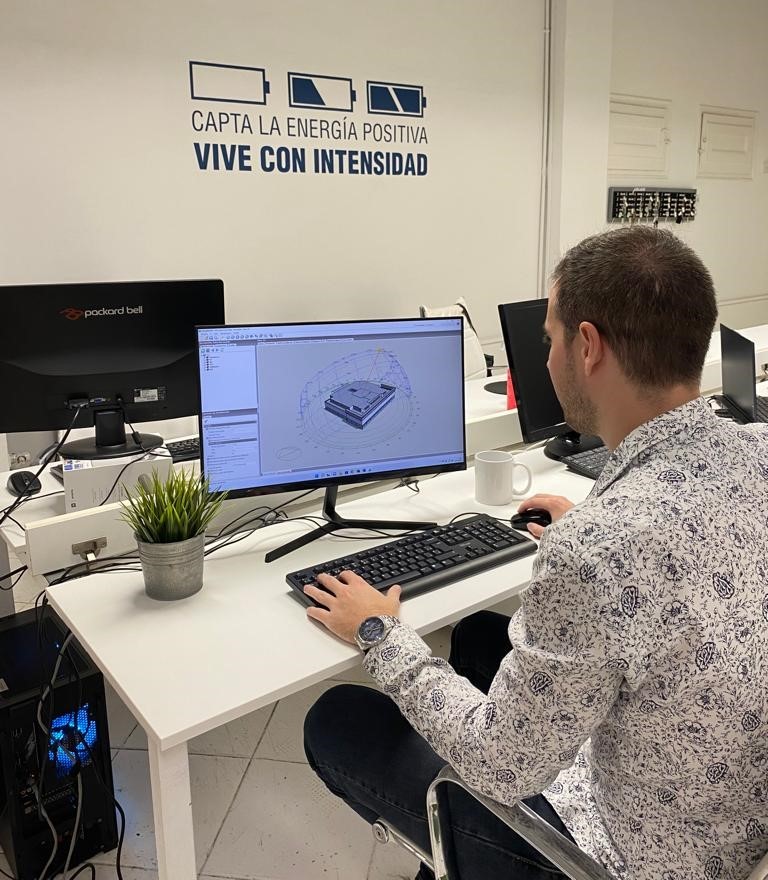
In Evaluate We are pioneers in Spain in the development of environmental consulting processes for the real estate and office sector. Our projects are often framed within the context of international environmental certifications such as LEED, BREEAM, WELL, or Passivhaus. The result is an optimised project, in terms of both environmental performance and cost.

Francesc Borrell Forner, Consultant in Sustainability and Energy Efficiency
Espacios Evalore SLP