If you own a building, whether commercial or residential, you might be interested in making it more sustainable, environmentally friendly, and increasing its energy efficiency. One of the most effective ways to achieve this is through LEED EBOM Certification. LEED EBOM (Existing Buildings: Operations and Maintenance) Certification is a recognition from the GBCI (Green Business Certification Inc.), the same organisation as the certifications LEED y Alright. If you are interested in obtaining this certification for your building, it is important that you know some relevant facts. In this article, we will explain them to you.
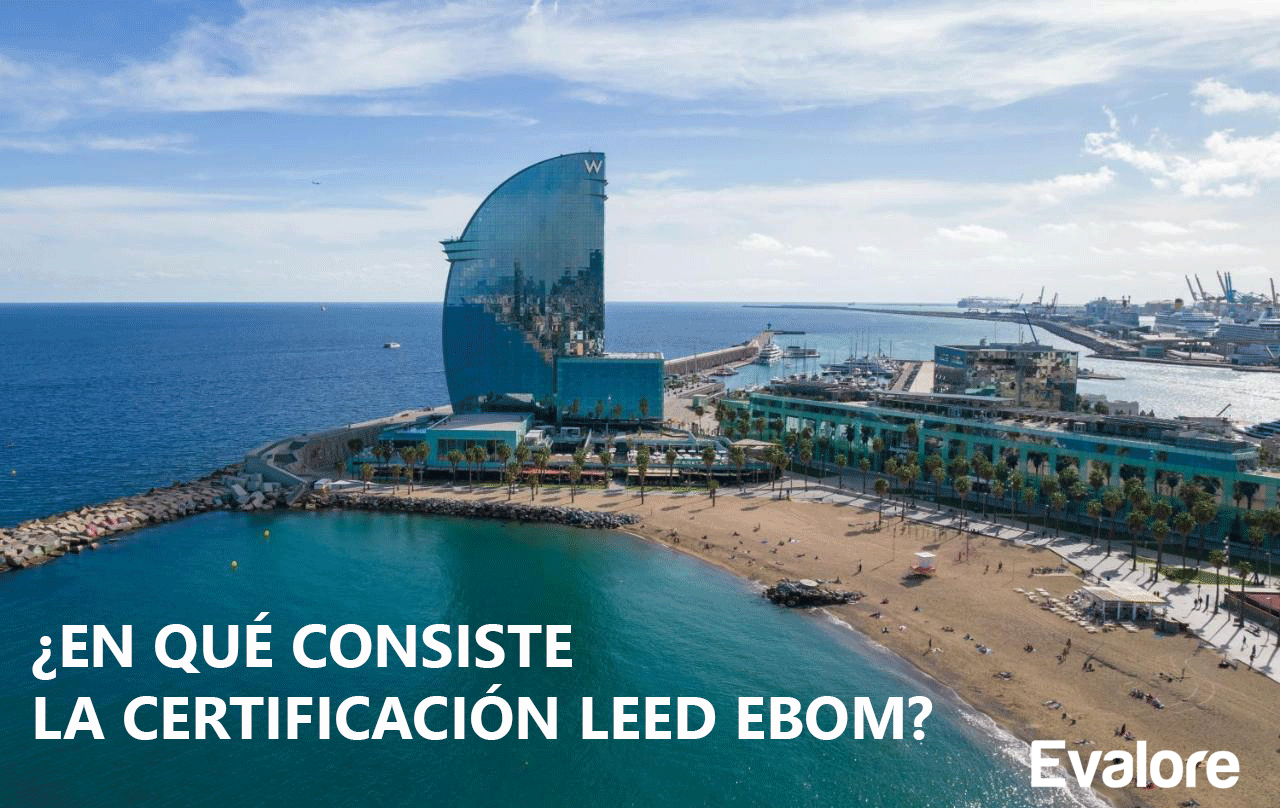
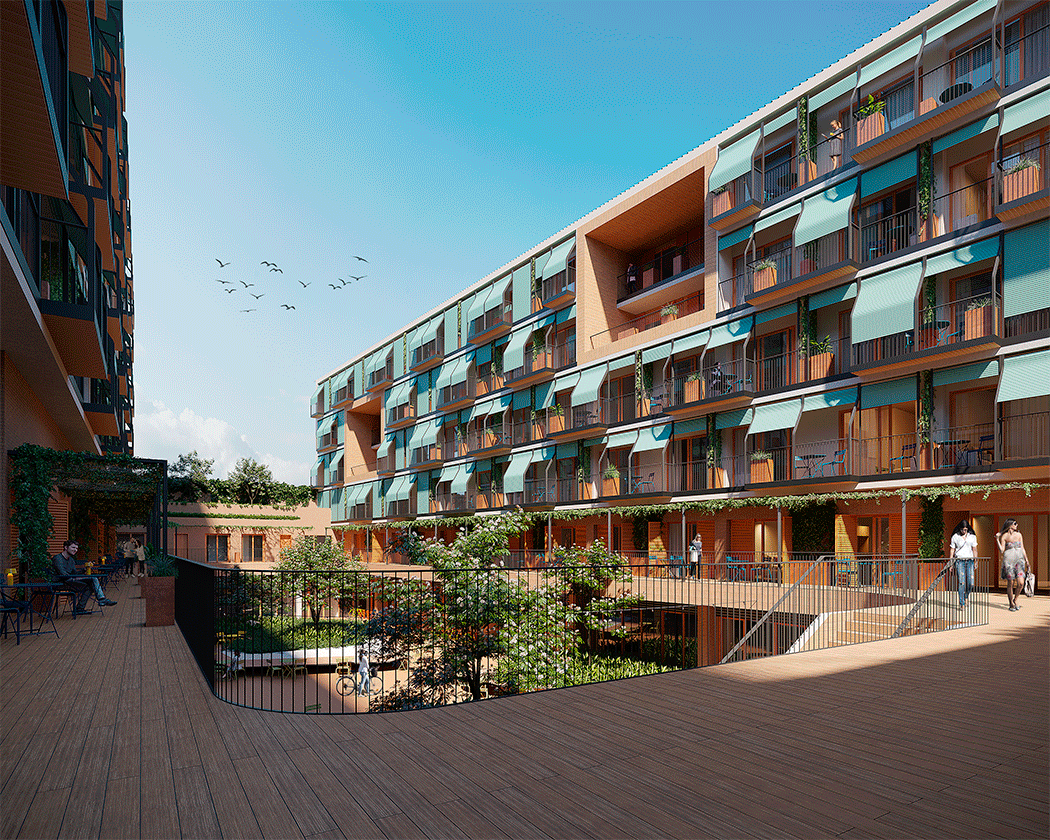
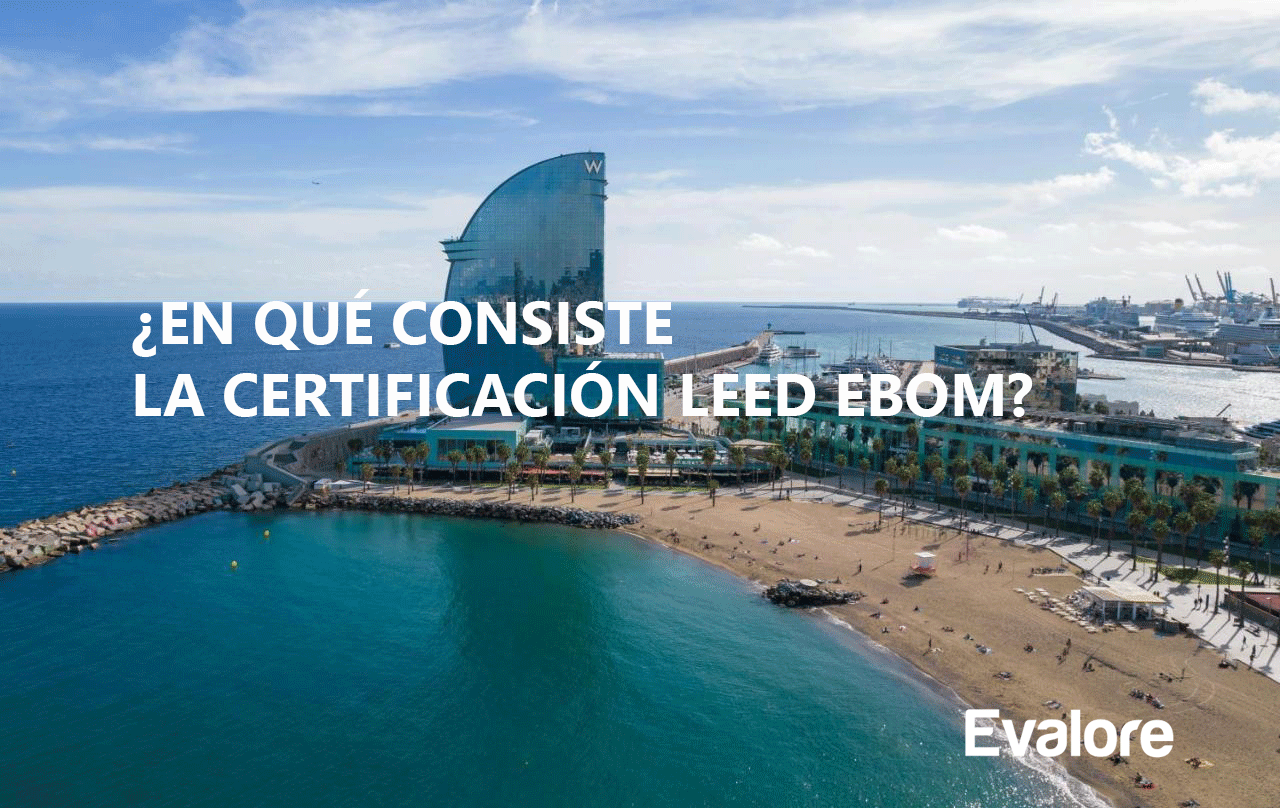
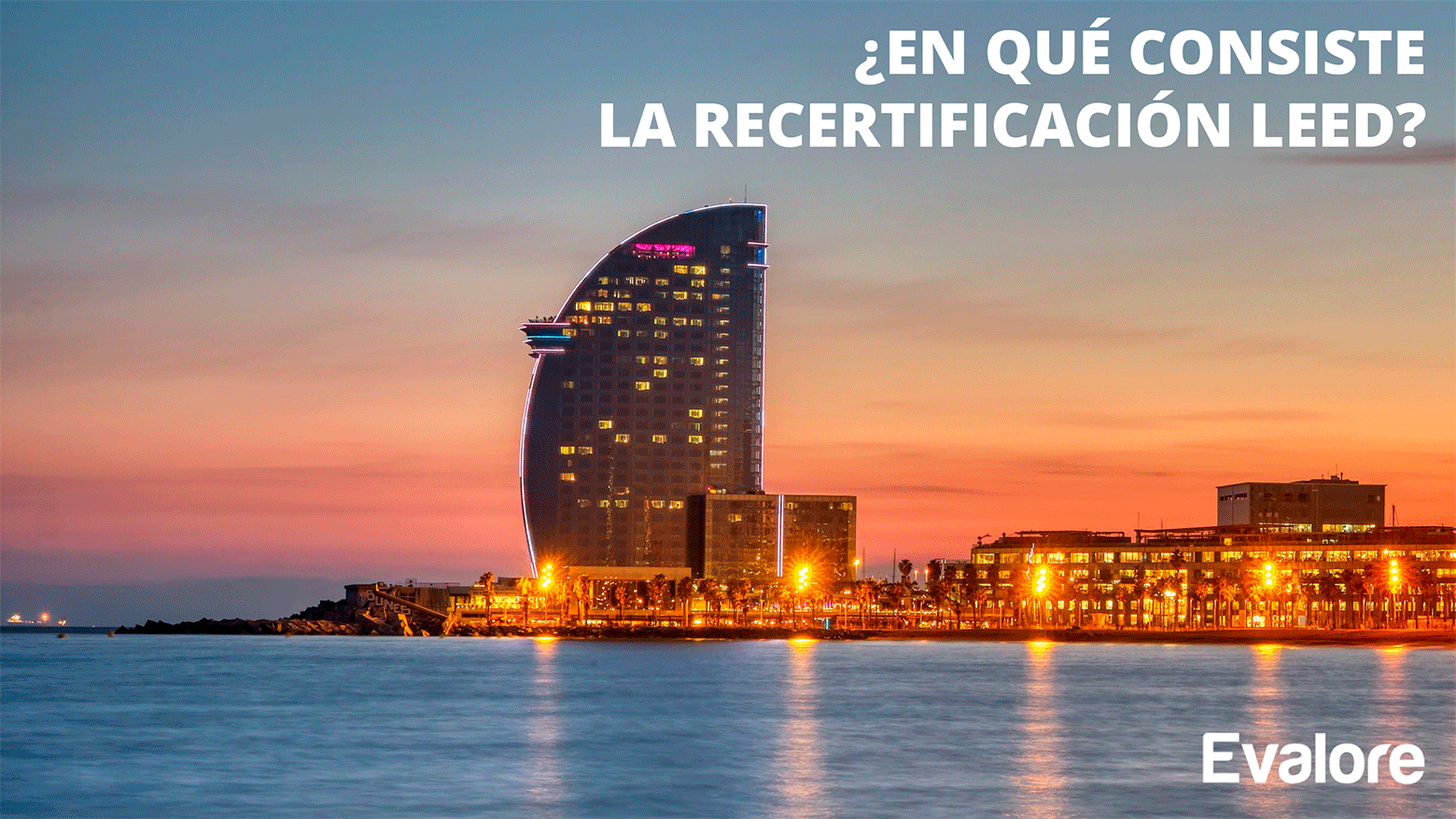
Source: https://w-barcelona.hotelbcn-barcelona.com/ Hotel Vela project by EVALORE for IG. Photo edited by EVALORE.
What is LEED EBOM Certification?
The LEED EBOM certification focuses on existing buildings and their sustainable operation and maintenance. LEED EBOM is one of the most popular certifications worldwide, with over 17,400 buildings certified in more than 100 countries. In Spain, specifically, 321 buildings have this certification. This system has gained popularity in recent years due to its special characteristics that make it ideal for already constructed buildings.
Source: https://www.usgbc.org/
LEED EBOM
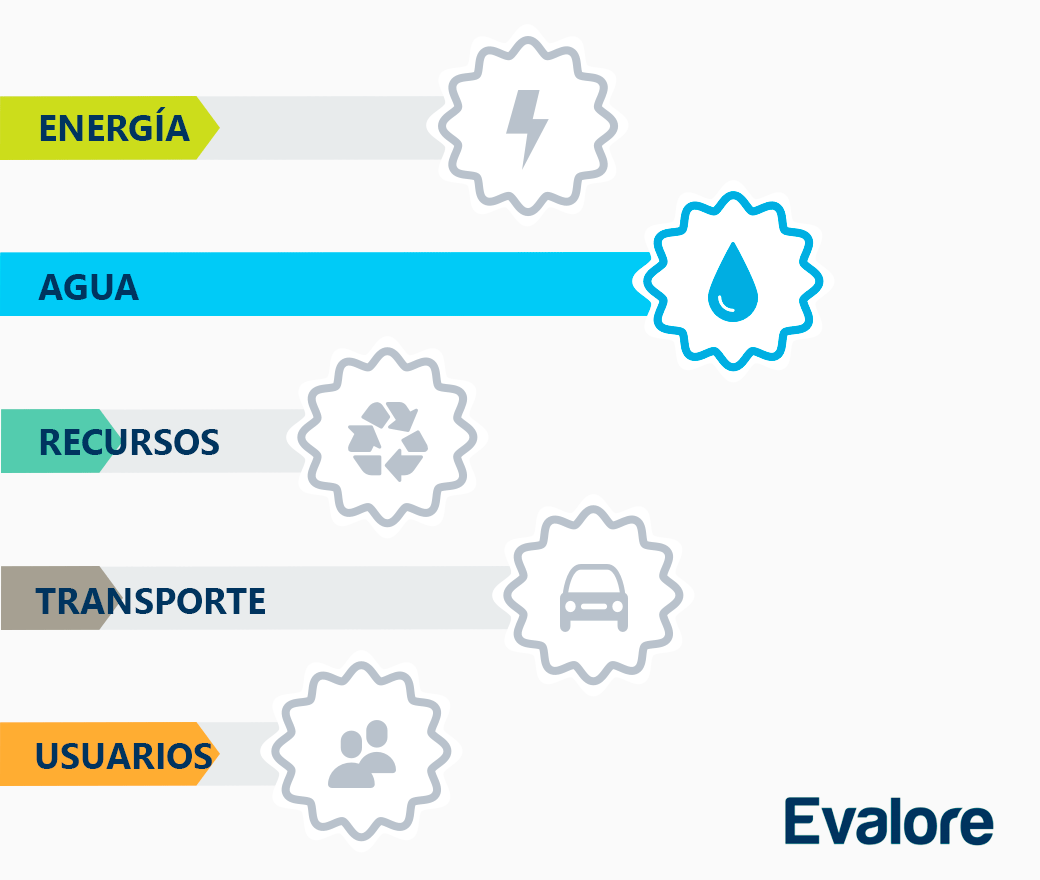
Consider the following aspects for measuring building performance, through an approach of lifecycle of the building
- Energy efficiencyThe energy consumption is evaluated in relation to the established norms and standards for the type of building in question. This includes evaluating the building's energy consumption in different areas, such as lighting, heating, ventilation, air conditioning, among others.
- Water consumptionConsider the building's water consumption and its impact on the environment. Water usage in different areas, such as for irrigation, bathroom use, and cleaning, is evaluated, and the aim is to reduce consumption through the implementation of efficient technologies and practices.
- Indoor air qualityEvaluates indoor air quality in terms of carbon dioxide levels, volatile organic compounds, humidity, and temperature. The aim is to maintain a healthy and comfortable indoor environment for building occupants.
- Waste managementAssess the amount of waste generated and the percentage of waste that is recycled or diverted from landfill.
- Impact on transportthe access and connectivity of the building to sustainable transport options such as public transport and cycling are assessed.
- User experienceevaluate how the building affects occupant health, comfort and satisfaction by analysing indoor air quality, thermal comfort, lighting quality, and views.
Source: https://arcskoru.com/. Photo edited by EVALORE.
Certification levels
When a building is LEED EBOM certified, it is associated with a certification level. Each level requires progressively higher compliance with established sustainability requirements and standards. In ascending order of sustainability and performance, they are as follows:
CertificateComplies with minimum certification requirements.
SilverExceed minimum requirements and achieve a higher score.
GoldReach an even higher level of sustainability and scoring.
PlatinumThe highest level, with the highest sustainability standards and exceptional scoring.
On obtaining this certification, it is recognised that the building has a high level of environmental performance and sustainability in its operation and maintenance.
The benefits of LEED EBOM Certification:
- Energy and water savingThe implementation of energy efficiency and water management practices can help reduce consumption, as well as the building's operating and maintenance costs.
- Improving indoor air qualityTo achieve certification, it is necessary to ensure ventilation that reduces pollutants and can improve indoor air quality.
- Improving health and well-being: LEED EBOM certification promotes the improvement of natural lighting quality and the selection of materials and products that are not harmful to health.
- Reduction of greenhouse gas emissionsThe implementation of energy efficiency practices and the use of renewable energy can help to reduce greenhouse gas emissions.
- Image enhancement of the building Achieving LEED EBOM certification is a recognition that the building meets high environmental and sustainability standards. This can significantly enhance the building's image and increase its value and competitiveness in the market.
The LEED EBOM certification considers multiple aspects of building performance, with the aim of promoting sustainable practices and improving the environmental impact of the building throughout its lifecycle.
How to obtain LEED EBOM Certification
To obtain LEED EBOM v4.1 Certification, several steps must be followed:
- Register on the GBCI website and select the certification category «Existing Buildings: Operations and Maintenance» (EBOM).
- Prepare the documentation necessary for certification. All should be collected Relevant data about the building, as in energy and water consumption, the materials used, waste management, and so on.
- Initial assessment of the building to determine its current condition and potential for improvement. Credit assessment, which involves selecting and documenting the credits you wish to obtain. Each credit has a specific value, and enough credits must be obtained to reach the minimum required score. Furthermore, it is compulsory to carry out a Energy audit as part of the Energy Efficiency Best Management Practices prerequisite, which will allow identifying Opportunities for improvement in energy efficiency The building's energy consumption must be established and a baseline created by a qualified professional.
- Action plan detailed to address the areas for improvement identified in the initial assessment.
- Submit the certification request via the LEED website.
- The application will be reviewed by the US Green Building Council (USGBC), which will verify that all the necessary requirements and credits for certification have been met.
- If the request meets all the requirements, it will be will be approved and issued LEED EBOM Certification with the achieved certification level.
LEED EBOM v4.1
The LEED EBOM v4.1 version includes several improvements and updates compared to the v4 version:
- Credits related to indoor air quality, ventilation, and lighting have been added, focusing on health and well-being.
- Simplification and clarity of requirements and credits.
- New credits have been added relating to continuous energy and water monitoring, encouraging long-term optimisation and efficiency, with a greater emphasis on building performance.
- Compliance options have been expanded, allowing building owners to tailor requirements to the specific needs and characteristics of their building.
- Integration with other certification systems, such as Alright and EDGE. This allows for more effective synergy and collaboration between different certification standards and programmes, leading to a more holistic approach to building sustainability.
Data monitoring
LEED EBOM certification is a dynamic certification, Annual information on the building's performance in relation to certification requirements must be provided. Depending on the information, The certification level may vary. Through the platform Arc From the GBCI, the sustainability performance of buildings can be monitored. Data and documents updated on the Arc platform are synchronised with LEED Online.
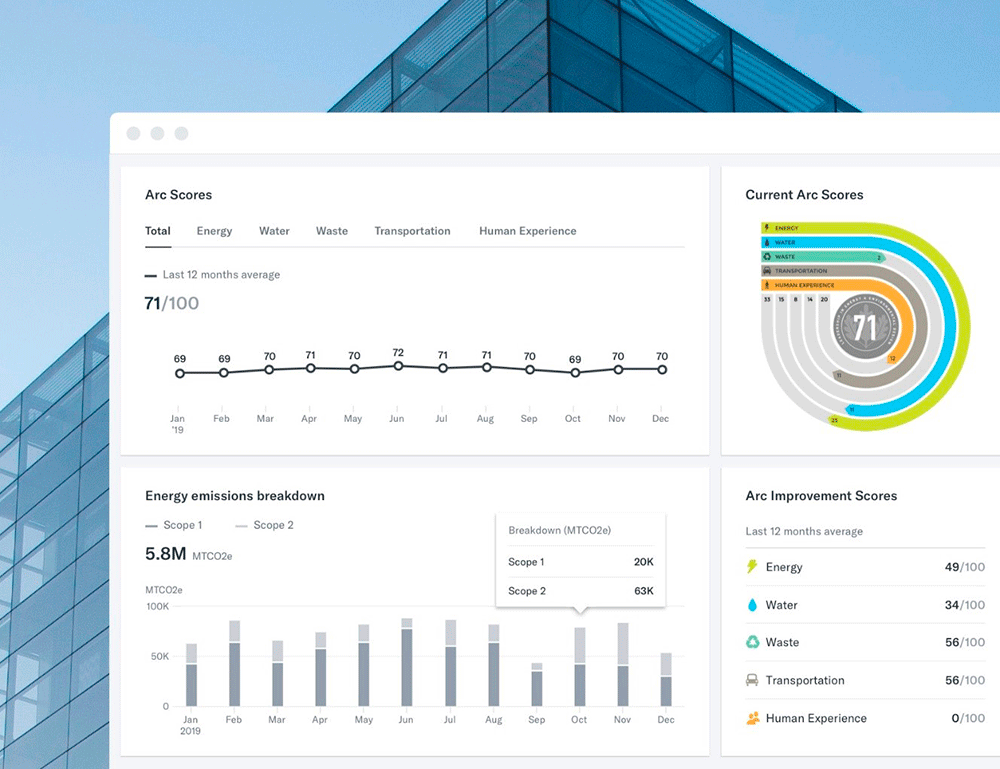
Source: https://arcskoru.com/
The buildings that obtain this certification have achieved a reduction in their energy and water consumption, improved indoor air quality, reduced waste and greenhouse gas emissions, among other benefits..
¿The LEED EBOM certification for a project lasts for three years.
It is important to note that LEED EBOM Certification is not permanent. After three years, it must be carried out recertification to maintain certification. This will ensure the building continues to meet sustainability and efficiency standards. Regardless of this, it should be supplied data of building consumption and performance annually.
The LEED recertification It encourages projects to monitor and ensure compliance with the requirements, through the annual analysis of data for each of the certification categories: energy, water, indoor air quality, waste, transport, and user satisfaction. Its importance lies in verifying the current performance, to align and improve with the new requirements to have a Sustainable building.
How much does LEED EBOM certification cost?
To get a clearer idea of the costs, it's important to mention that the certification process involves hiring a team of professionals specialised in sustainability and energy efficiency. These professionals can include architects, engineers, consultants and other experts. In Spaces Evaluate We help you certify your building.
In addition to professional fees, the LEED application fee must also be taken into account. This fee varies depending on the certification category and the geographic location of the building. Consult here for Prices of LEED EBOM certification.
In summary, LEED EBOM is a valuable tool for building owners in Spain, as it allows for an increase in market value of its properties, reduce operating costs and be oriented towards the Sustainability. Adaptability to historic buildings, compliance with local regulations, and the improvement of occupants' health and well-being are some of the special characteristics that make LEED EBOM certification an attractive option for existing buildings.
At Espacios Evalore, we help you certify your building, contact us.

Laura Barrios Mogollón
Architect and Sustainability Consultant, Espacios Evalore SLP